
 English
 Favorites
  Account
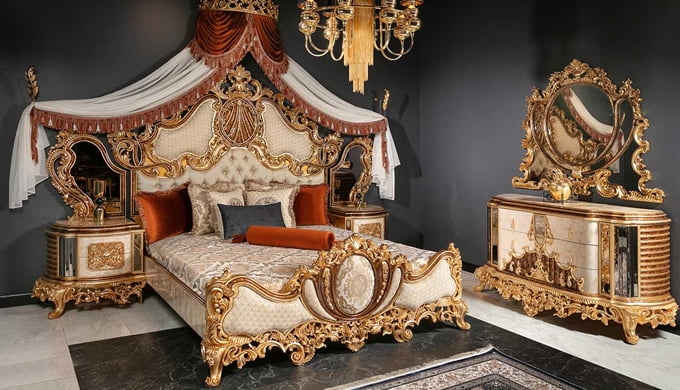
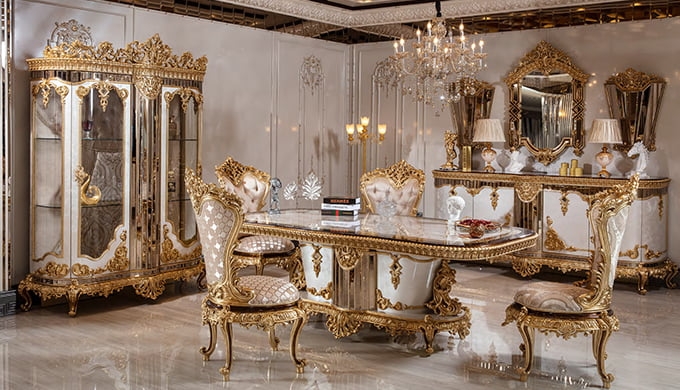
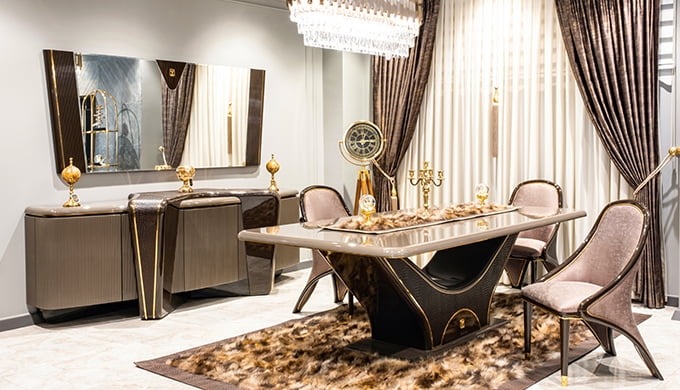
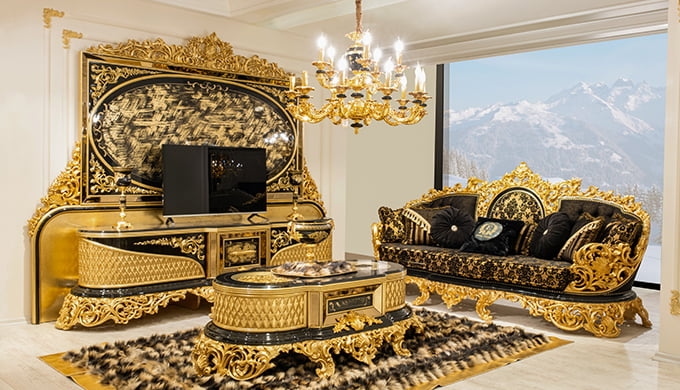
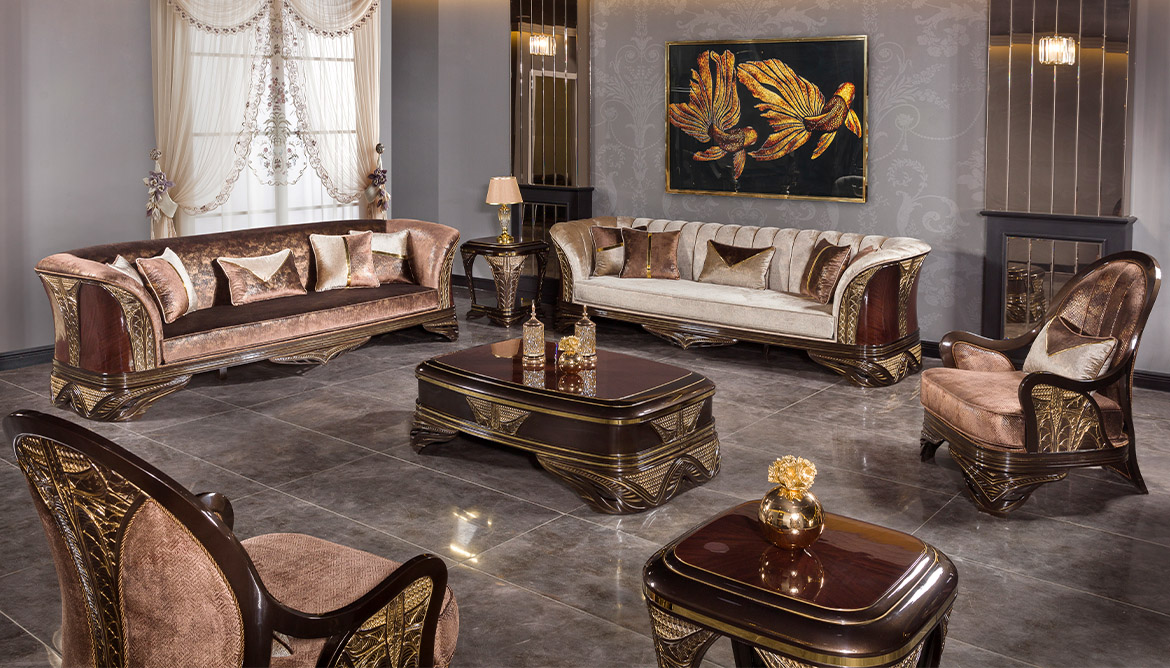
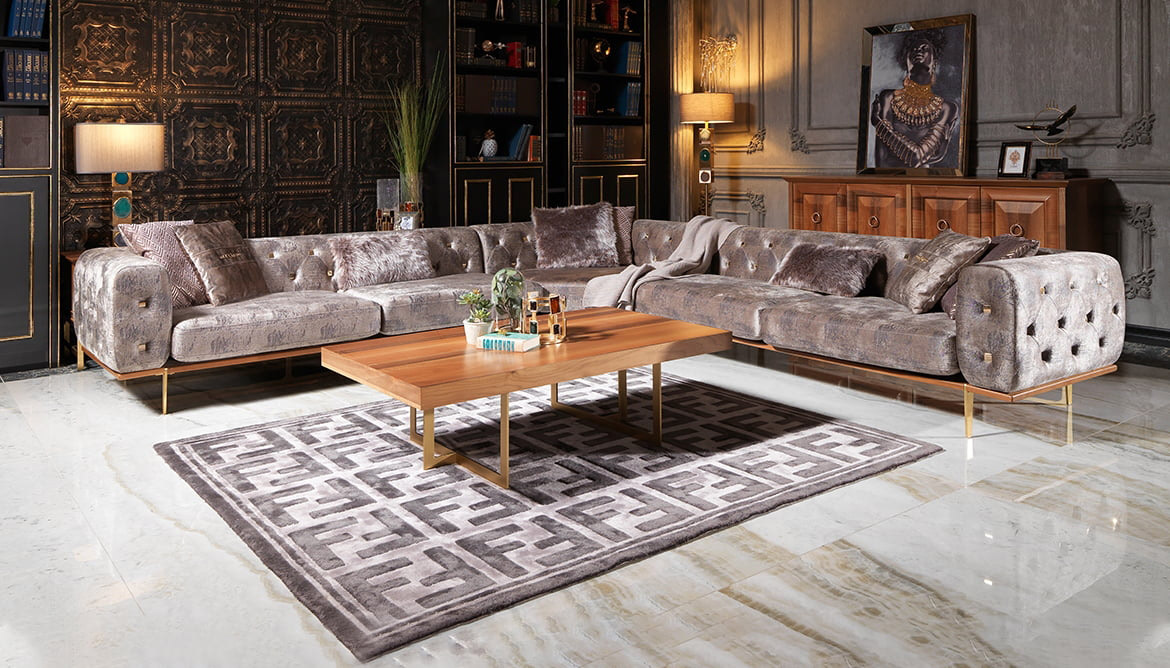
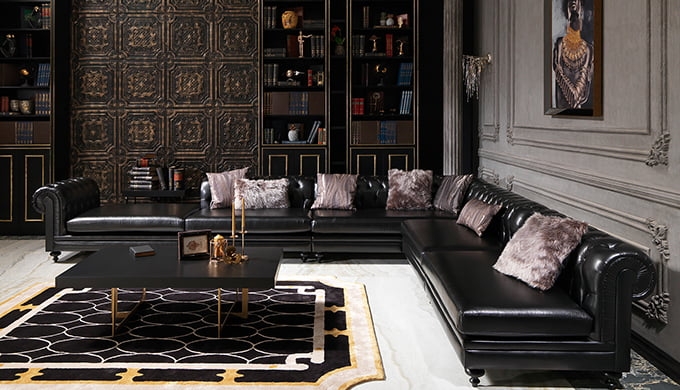
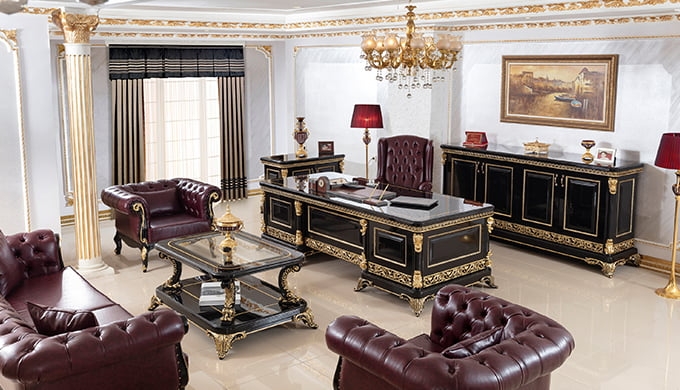
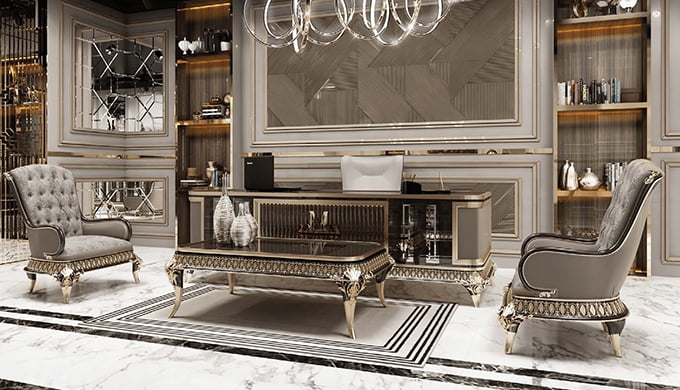
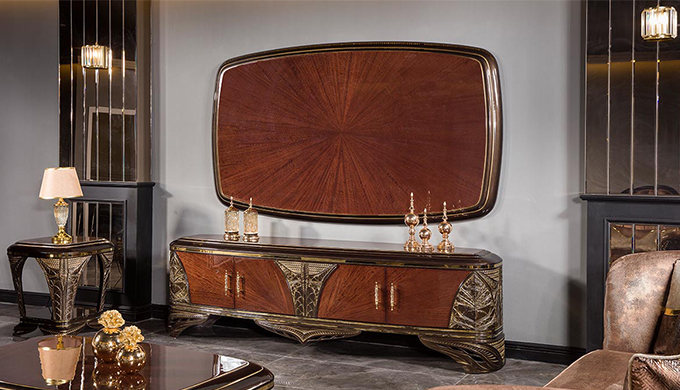
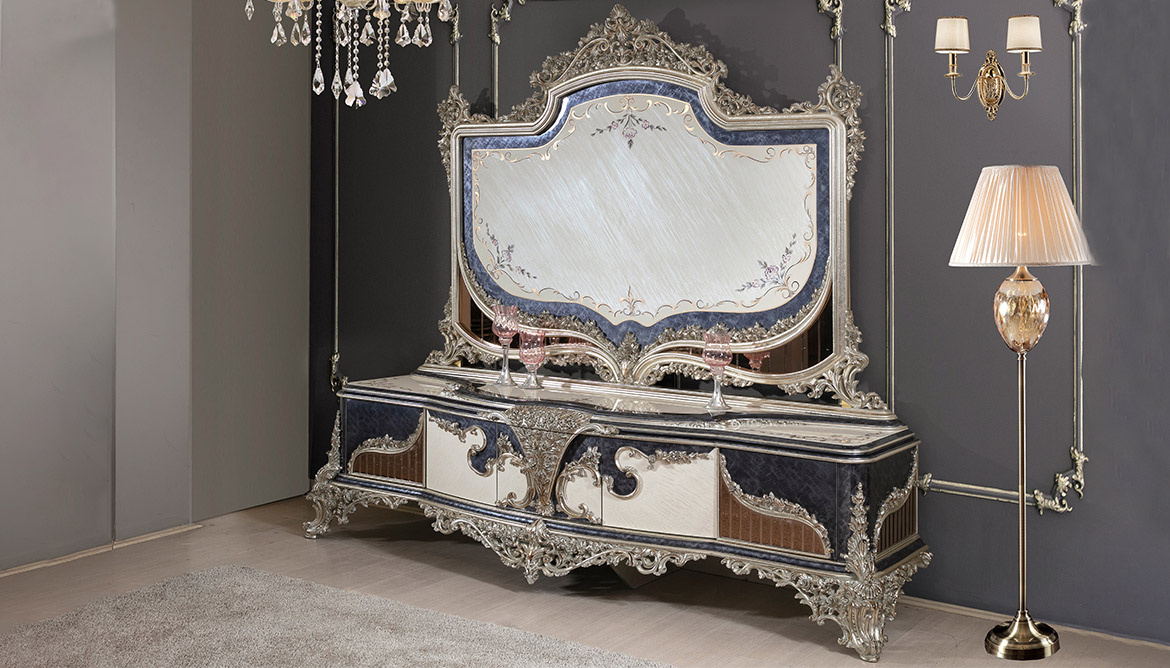
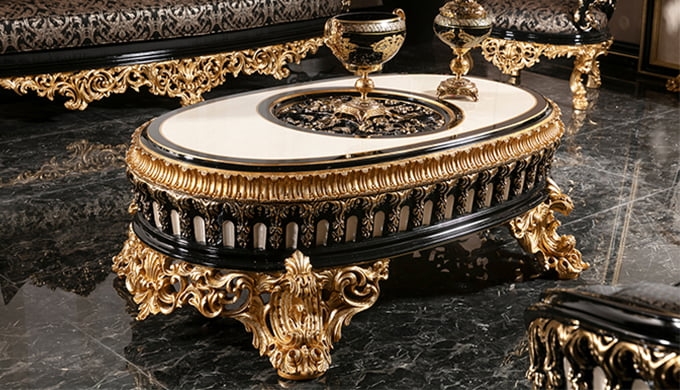
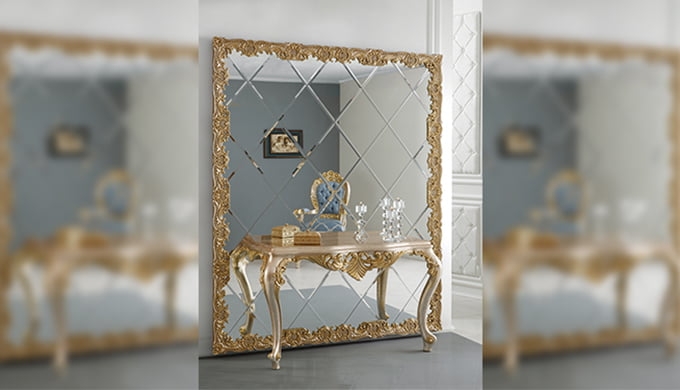
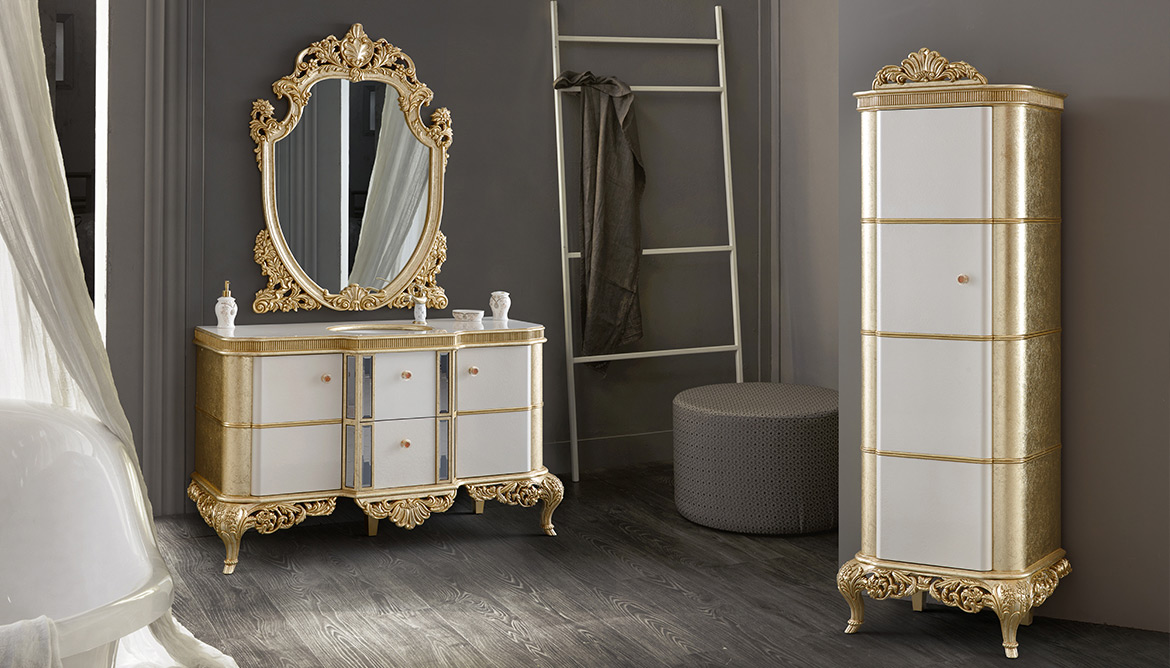
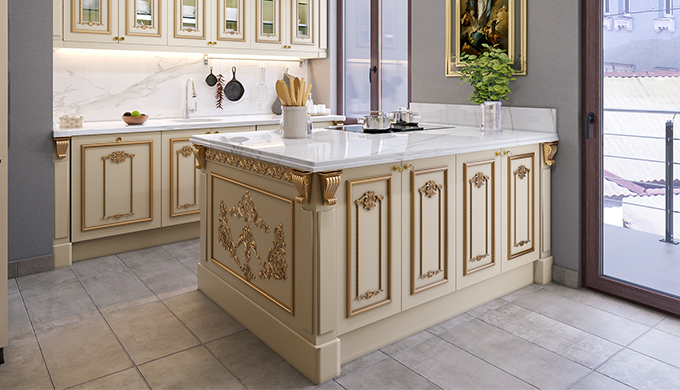
The first focal point for a guest entering a hotel room is the bedroom area, the heart of the room. A luxury accommodation experience is built not just with expensive furniture, but with the fusion of aesthetics, functionality, and flawless comfort. Today, global hospitality trends are taking the “home away from home” concept a step further, focusing on creating personalized spaces that appeal to the senses.
In this guide, we will delve into every detail that elevates a hotel room to the “luxury” class, from furniture selection to lighting strategies, material quality to technological integrations. Our goal is to help you design not just a sleeping area, but a living space that will leave a lasting impression on your guests’ minds.
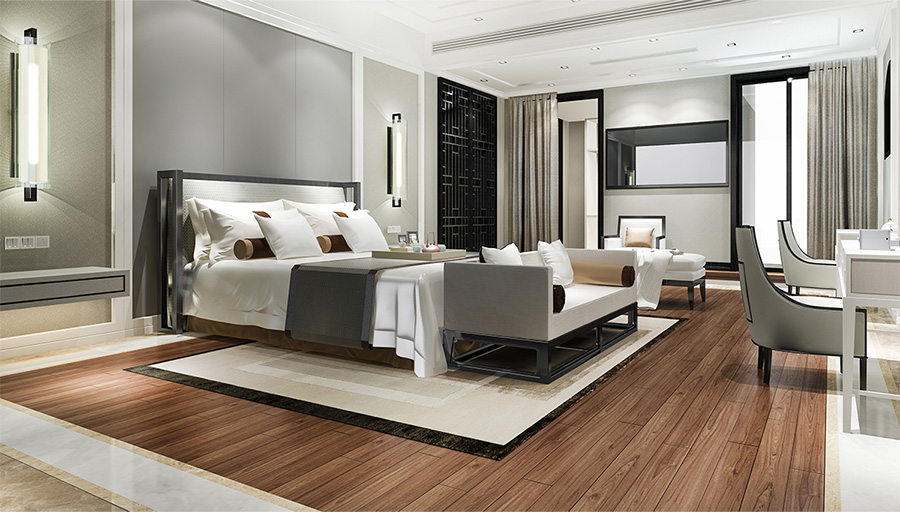
1. Bed Selection: The Foundation of Comfort
The success of a luxury hotel room is measured by the feeling of rejuvenation the guest experiences upon waking up in the morning. At this point, the bed system is the most critical element to invest in.
Headboard Design
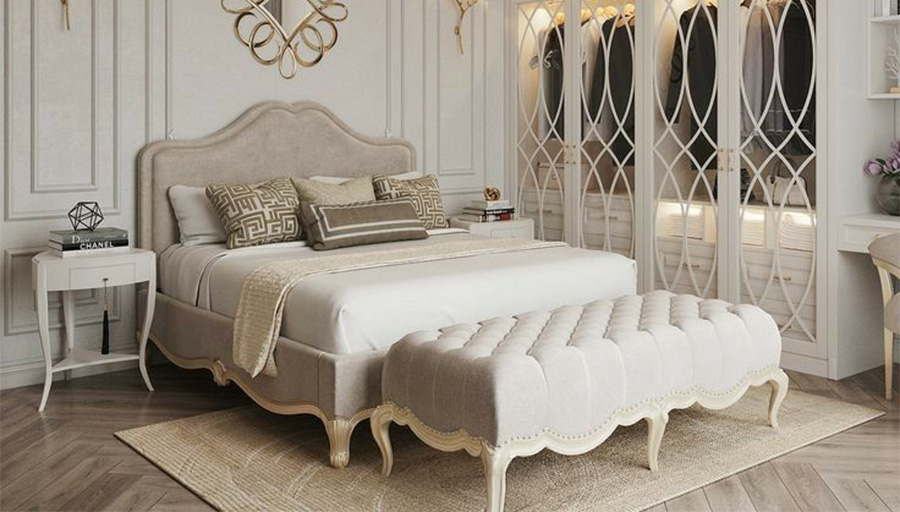
The headboard is the visual focal point of the room. In global design trends, oversized headboards that extend to the ceiling or along the entire wall are at the forefront. Velvet, leather, or high-quality bouclé fabrics add instant depth and prestige to the room.
Tip: Integrated hidden LED strips and reading lamps in the headboard provide both a modern look and increased functionality.
Bed Dimensions and Ergonomics
In international standards, “King Size” beds are the symbol of luxury. However, it is not just the size but also the layered structure of the bed that matters.
2. Material and Texture Harmony in Furniture
The perception of luxury begins at the fingertips. In hotel furniture, a delicate balance must be struck between durability and aesthetics.
- Natural Stone and Marble: Marble details used on nightstands or vanity tables offer a timeless elegance.
- Solid Wood and Veneer: Characteristic grained woods like walnut or oak add warmth and naturalness to the room.
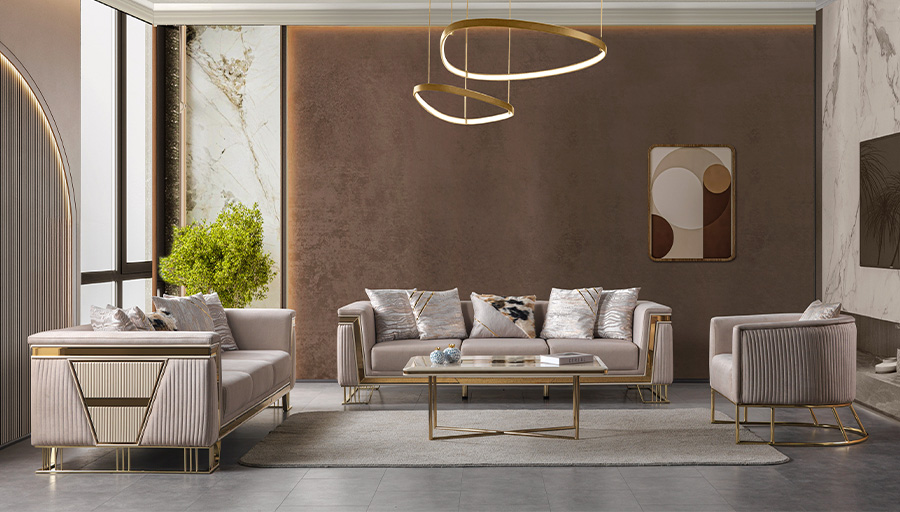
- Metal Details: Brushed brass, anthracite chrome, or gold details emphasize luxury in drawer handles and furniture legs.
The table below compares the characteristics of materials used in hotel room furniture:
| Material Type | Durability | Aesthetic Value | Maintenance Need | Usage Area |
|---|---|---|---|---|
| Solid Wood | Very High | Natural and Warm | Medium | Bed Frame, Cabinet Doors |
| Marble / Granite | High | Ultra-Luxury | Low | Nightstand Top, Desk |
| Velvet Fabric | Medium | Rich and Soft | High | Headboard, Armchair |
| Laminate (High-End) | Very High | Modern and Clean | Very Low | Work Desk, Luggage Rack |
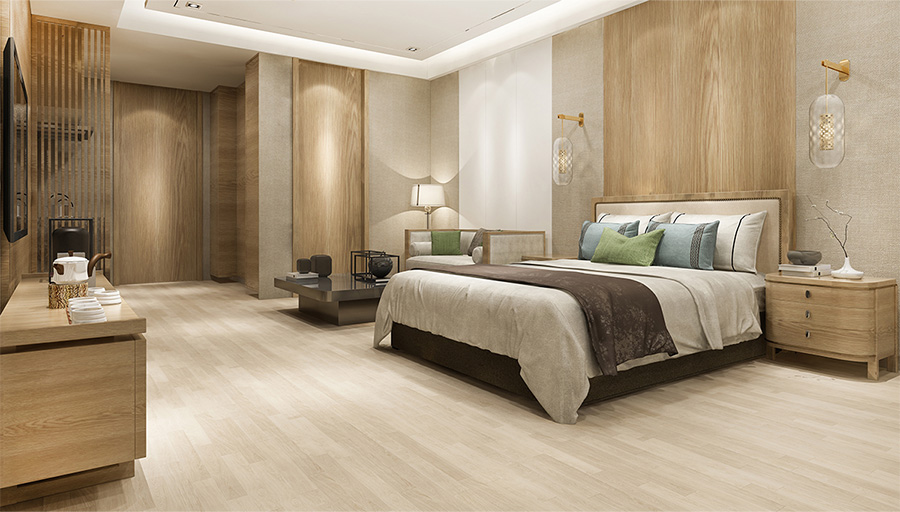
3. Functional and Stylish Storage Solutions
There is no room for clutter in a luxury room. Areas where the guest can organize their belongings should integrate with the overall design of the room.
- Built-in Wardrobes: Wardrobes integrated with the room’s architecture, featuring internal lighting and soft-close rail systems, should be preferred.
- Smart Luggage Racks: Stylish leather or wood-detailed luggage rack areas should be designed where suitcases are both accessible and do not create visual pollution.
- Personal Safe and Minibar Integration: These elements should be hidden within the furniture but remain prioritized for ease of use.
4. Lighting Layers and Scenarios
Lighting determines the soul of a luxury bedroom. Instead of a single primary light source, different levels of lighting layers should be created.
Ambient Lighting :A soft light that illuminates the general area of the room, usually hidden in ceiling coves or supported by a stylish chandelier, should be preferred.
Task Lighting : Reading lamps, vanity table lights, and internal wardrobe lighting fall into this category. These lights, focusing on the guest’s needs, provide ease of use.
Accent Lighting : Narrow-angle spotlights that highlight artwork, niches, or architectural details add a gallery atmosphere to the room. In luxury hotels, automation systems that dim all lights with a single button, such as “night mode,” have now become standard.
5. Textile and Accessories: The Final Touch
While furniture forms the skeleton, textile products breathe soul into it.
- Sheet Quality: Egyptian cotton sheets with a minimum of 300 thread count are the touchable form of luxury.
- Drapery: Blackout curtains directly affect the guest’s sleep quality. For sheer curtains, silk or linen-blend textures can be preferred.
- Carpeting and Flooring: Wall-to-wall high-pile carpets provide sound insulation, while small hand-woven rugs placed next to the bed offer a warm welcome.
6. Global Trend: Sustainable Luxury
Globally, the concept of luxury is being redefined by “respect for nature.” As a global site, including recyclable materials, low-energy lighting, and details that support local craftsmanship in your projects will increase your brand value. Guests now want to see not just luxury, but also ethical and eco-friendly choices.
7. Step-by-Step Guide for Implementation
When starting a hotel room renovation or a new project, you can follow this sequence:
- Concept Definition: Modern, Classic, Art Deco, or Minimalist?
- Floor Plan and Circulation: The placement of furniture should not restrict the guest’s movement area.
- Mock-up Preparation: Before proceeding with large-scale installations, one room should be fully prepared and tested.
- Quality Control: It should be checked that all mechanisms operate silently and finish details are smooth.
- CTA: If you want to make a difference in your hotel projects and receive decoration services at global standards, contact our professional team.
Frequently Asked Questions (FAQ)
1.How many cm should a luxury hotel bed be?
An ideal luxury hotel bed (King Size) is usually 180×200 cm or 200×200 cm. The bed height, including the base and mattress, should be around 60-70 cm in total.
2.Which wood types should be preferred for hotel room furniture?
Oak and Walnut are the most popular choices for durability. For an exotic touch, Teak or Iroko is also frequently used in luxury projects.
3. Is lighting automation necessary for every room?
For a hotel in the luxury segment, it is now a necessity. The ability for the guest to control all lights without getting out of bed significantly increases the perception of comfort.
4.Does carpet or parquet feel more luxurious?
Luxury hotels generally prefer high-quality, wall-to-wall carpets with acoustic performance. However, in modern designs, large hand-woven rugs laid over high-quality laminate flooring are also quite prestigious.
5. How often should a hotel room decoration be renewed?
Usually, the “soft renovation,” which includes textiles and paint, should be done every 5-7 years, while a full renovation covering furniture and infrastructure should be done every 10-12 years.