
 English
 Favorites
  Account



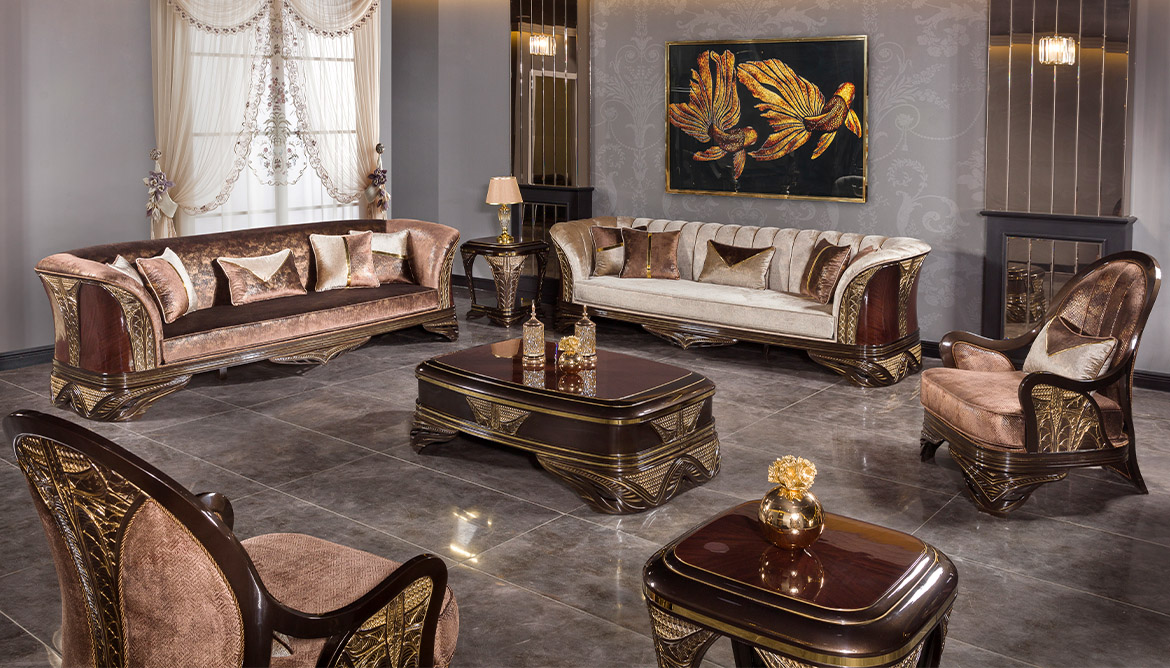
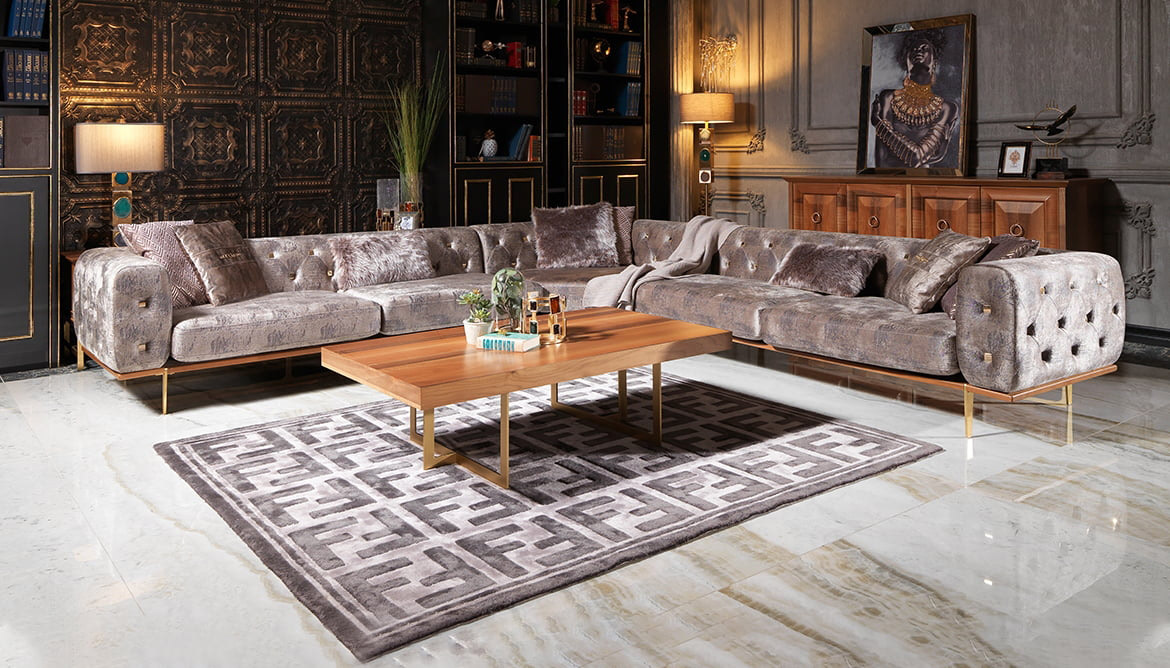
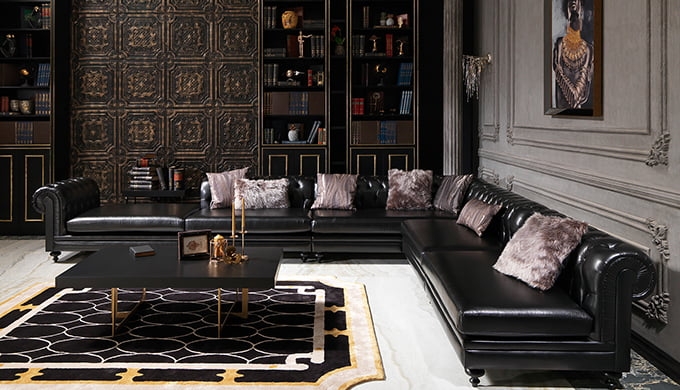
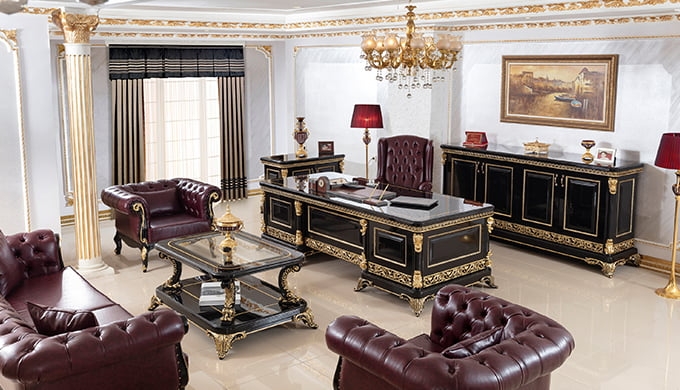
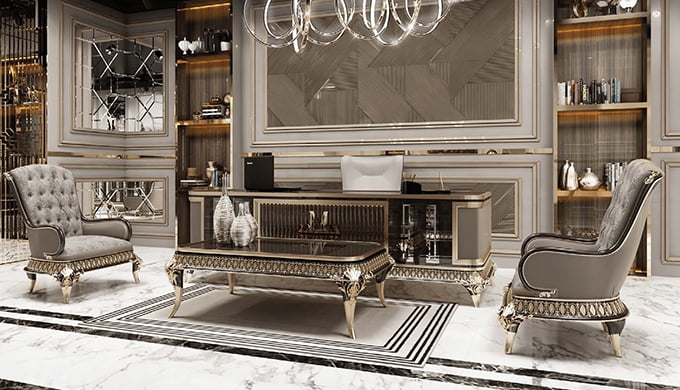

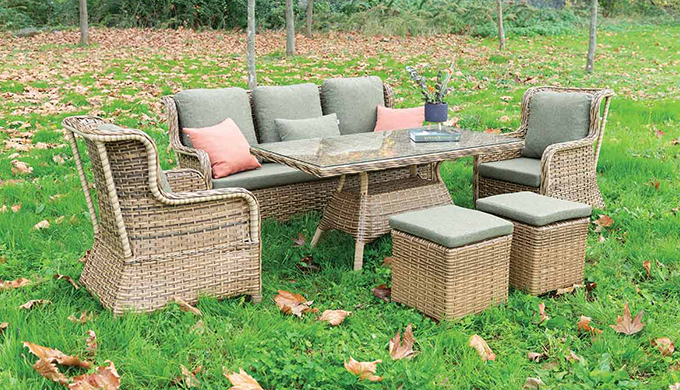
The heart of a living space is undoubtedly the living rooms and lounge areas. Sofa sets, the leading actors of these areas, are not just visual complements; they are the most critical investment where you relieve the day’s tiredness, host your loved ones, and determine the dynamics of your home for many years. Today, where global design trends change rapidly, a choice made solely by being deceived by external appearance can result in problems such as collapsing, fabric deformation, or ergonomic discomfort in a short time.
When designing a decoration at international standards, you must understand the engineering, material science, and ergonomic tests in the unseen parts of the furniture you choose. In this in-depth guide I prepared as a furniture and interior architecture expert, we address the answer to the question “What should be considered when buying a sofa set?” with a master-architect perspective and technical details beyond aesthetic concerns. Let’s start examining the 10 critical details that will perfect your living space and solve problems before they even arise.
Skeleton and Construction: Basic Sturdiness and Architectural Infrastructure
The most important factor determining the lifespan of a sofa is its skeletal structure, which you cannot see from the outside. Just like the foundation of a building, the static load resistance of furniture depends on its skeleton.
1. The Power of Kiln-Dried Wood and Metal Profiles
The moisture content of the wood used in skeleton production determines the form of your sofa over the years. Freshly cut or standard dried woods work, stretch, and creak over time. For this reason, kiln-dried hornbeam (beech) wood must be sought in a high-end sofa set produced at international quality standards. The special kiln-drying process reduces the moisture inside the wood to ideal levels, eliminating the risk of bending or warping over time. In areas bearing heavy loads, hybrid constructions supported by stainless steel or thick-walled aluminum profiles extend the life of the furniture for decades.
2. Connection Points and Static Load Resistance
The sturdiness of the skeleton is directly related not only to the material but also to the workmanship. Skeletons joined only with staples or simple screws stretch during sudden weight changes. In a masterfully crafted construction, mortise and tenon joint systems, corner blocks, and industrial wood glues must be used together. High static load resistance means that the weight placed on the sofa is transferred evenly to the ground.
Sponge Quality and Seating Ergonomics
A sofa that looks magnificent from the outside has lost its function if it does not give you the right support when you sit on it. Ergonomics and comfort are directly related to the chemistry of the sponge used.
3. DNS (Sponge Density) and HR Sponge Technology
The most common term you will hear when shopping for a sofa is “DNS” (Density), which is sponge density. Although many users think that a soft sponge is more comfortable, this is a great misconception. For a long-lasting and healthy seating experience, sponges with a density of at least 32 or 35 DNS should be preferred. Especially HR (High Resilience) sponges have a superior cell structure that takes the shape of your body when you sit down but immediately returns to its original form when you get up. This technology prevents the seating cushions from collapsing even after years.
4. Seating Depth and Back Angle
According to global ergonomic standards, the ideal seating depth in a sofa should average between 60-65 cm. When you sit, the back of your kneecap should lightly touch the edge of the sofa, and the soles of your feet should be completely flat on the ground. The back cushion angle should generally be designed between 105 and 110 degrees for spine health. These golden ratios prevent lower back and neck pain during prolonged seating.
Fabric Selection and Surface Technologies
Fabric is the face of your sofa that comes into contact with the outside world. Therefore, it must be durable as well as aesthetic.
5. Fabric Weave Density and Abrasion Resistance (Martindale Test)
The universal criterion determining fabric quality is the Martindale test. This test determines after how many rubs the fabric will begin to wear out. At global standards, a sofa fabric for daily use is expected to have a Martindale value of at least 25,000. For heavy-use areas, this value should rise to 40,000 and above.
6. Stain Resistance, Breathability, and Textures
Thanks to modern technology, fabrics now have liquid-repellent and stain-resistant (water-repellent finish) properties. However, these features should not prevent the breathability of the fabric. You can evaluate the following fabric types according to the dynamics of your home:
- Linen Blend Fabrics: Ideal for summer houses and warm climates with their natural, breathable structure.
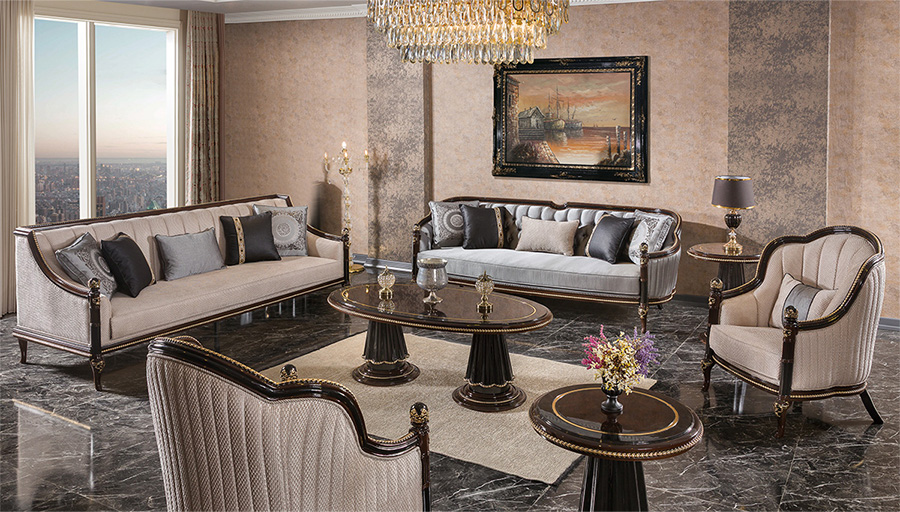
- Velvet and Chenille Fabrics: Adds luxury and depth with the way it reflects light; it harmonizes perfectly with silky matte finished wooden legs.
- Bouclé Fabrics: Bouclé, the global design trend of recent years, adds textural richness and warmth to the space.
- Microfiber Fabrics: These are the series that show the highest resistance to scratches and stains for pet owners and families with small children.
Space, Functionality, and Global Harmony
It is essential that the sofa set you purchase perfectly matches the architectural dimensions of your home and your lifestyle.
7. Area Dimensions and Golden Ratio Planning
High ceilings and wide spaces in large stores cause sofas to look smaller to your eye than they actually are. To avoid falling for this illusion, it is vital to draw a sketch of your room before going shopping. Follow these steps to avoid making mistakes:
- Take the width and length measurements of your room in millimeters.
- Mark the locations of doors, windows, and radiator cores on the sketch.
- Test whether there is at least 80 cm of space left for walkways by drawing masking tape on the area where you plan to place the sofa.
- Ensure that the product can be delivered to your home without damage by taking the dimensions of the building elevator, stairwell, and outer door.
Modularity and Extra Functions
The shrinking of living spaces, especially in international metropolises, brings modular designs to the forefront. Modular sets that can be placed independently of each other, enlarged when necessary, or whose corners can be changed provide great flexibility against the possibility of moving in the future.
Style, Workmanship, and After-Sales Support
9.Harmony with Decoration Style and Handcrafting
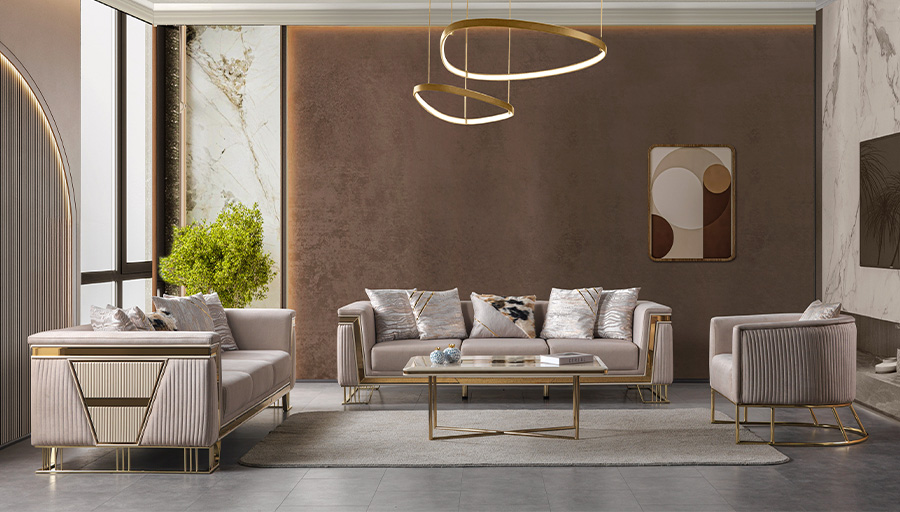
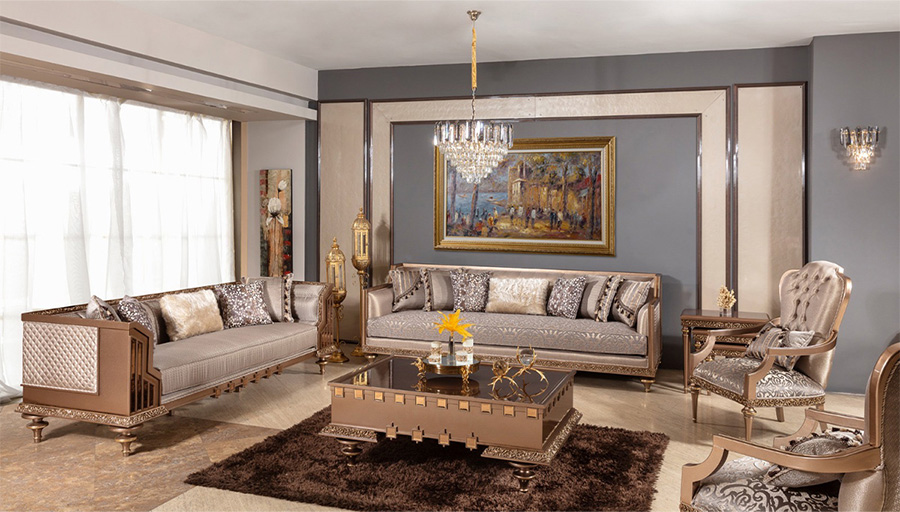
If you have an avant-garde or classic setup in your home, gold leaf workmanship, hand-carved details, and capitone stitching come to the fore. If you are in a modern and minimalist line, metal legs, straight lines, and soft colors should be preferred. The quality of the polish on the wooden parts of the product you choose (for example, polyurethane-based silky matte polish) directly reflects the character of the furniture.
10. Global Delivery and After-Sales Warranty
A quality furniture manufacturer is the one who stands by you not only while making the sale but also afterwards. Whether you are in the country or on the other side of the world, you should prefer brands that have international logistics infrastructure, perform multi-layered packaging at export standards, and can provide a long-term warranty on the product skeleton. To experience that perfect comfort of your dreams and recreate your space, start examining our collections right away.
Comparison Table: Sofa Set Material Standards
The table below summarizes the professional standards of the basic materials that determine the quality of a sofa set:
| Component | Standard/Economical Production | High-End/Global Production (Recommended) | Advantage |
|---|---|---|---|
| Skeleton Material | Chipboard / Poplar / MDF | Kiln-Dried Hornbeam (Beech) / Metal Profile | Kiln-Dried Hornbeam (Beech) / Metal Profile |
| Sponge Density | 22 – 28 DNS | 32 – 35 DNS HR (High Resilience) | Does not collapse for years, regains its form immediately. |
| Suspension | Rubber Webbing | Zigzag Steel Spring + Italian Webbing | Maximizes seating comfort, distributes weight. |
| Fabric Durability | 10,000 – 15,000 Martindale | 30,000+ Martindale | Full resistance to wear, friction, and pilling. |
| Wood Polish | Cellulosic Gloss Polish | Polyurethane Silky Matte Polish | Resistant to impacts, offers a luxurious and natural touch. |
Frequently Asked Questions (FAQ)
1. What DNS should the sponge be when buying a sofa set?
For long-lasting use resistant to collapsing, 32 DNS or 35 DNS HR (High Resilience) sponges should ideally be preferred in sofa cushions.
2. What does a kiln-dried hornbeam skeleton mean?
It is the process of minimizing the moisture rate by drying the wood in special industrial kilns. This process provides high durability by preventing the skeleton from bending, shifting, and creaking over time.
3. Which model sofa should be chosen for small living rooms?
For narrow spaces, modern designs with high legs and thin armrests or functional modular corner sets that utilize the corners of the space should be selected. L-shapes make the space look more spacious.
4. Which sofa fabric should be preferred in houses with cats and dogs?
To prevent snagging of claws, tightly woven, non-looped microfiber fabrics or synthetic leather derivatives are the right choice. Fabrics such as linen or bouclé should be avoided.
5. How can you tell if a sofa fabric has stain-resistant properties?
Thanks to nano-technological water-repellent finishes applied to the surface of the fabric, liquid remains on the surface in droplets without penetrating into the fabric. The phrase “water and stain repellent” should be checked in the technical certificates of the product.