
 English
 Favorites
  Account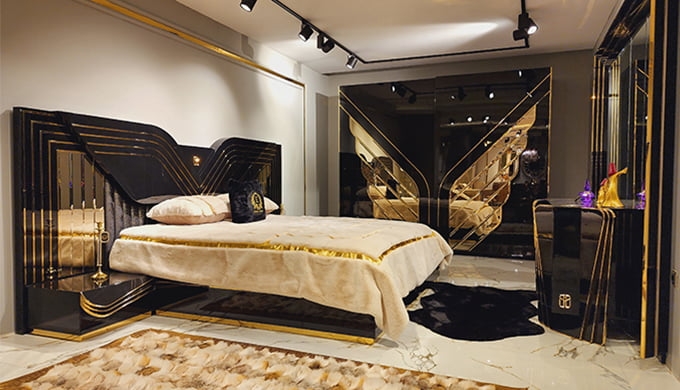
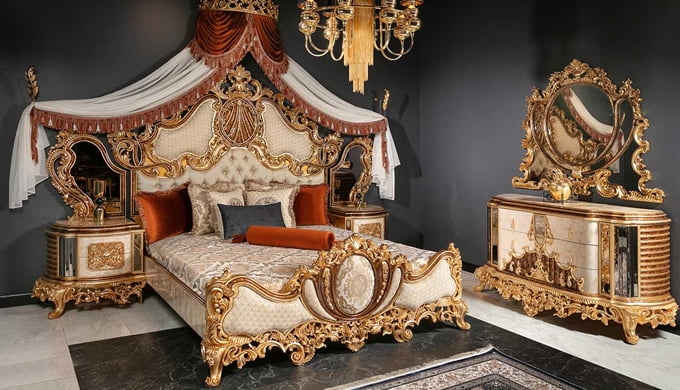
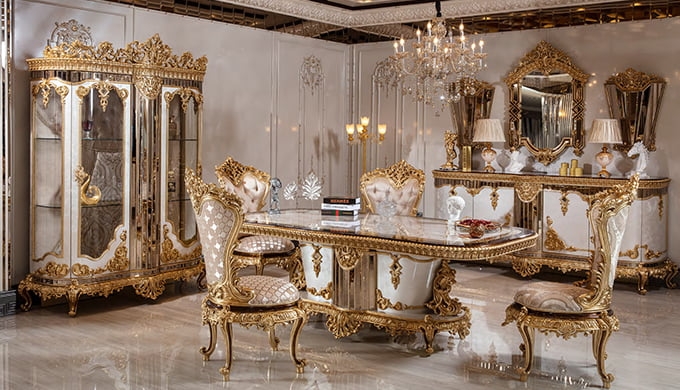
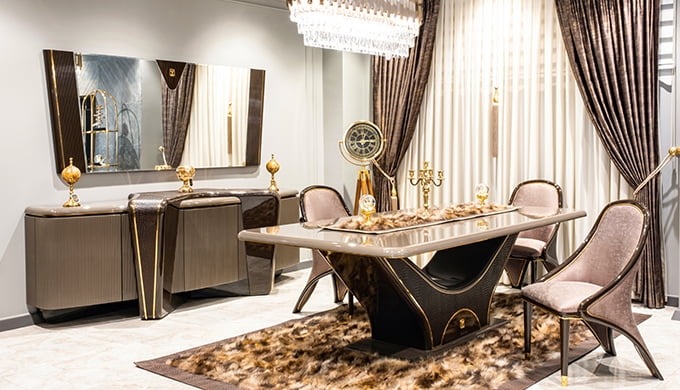
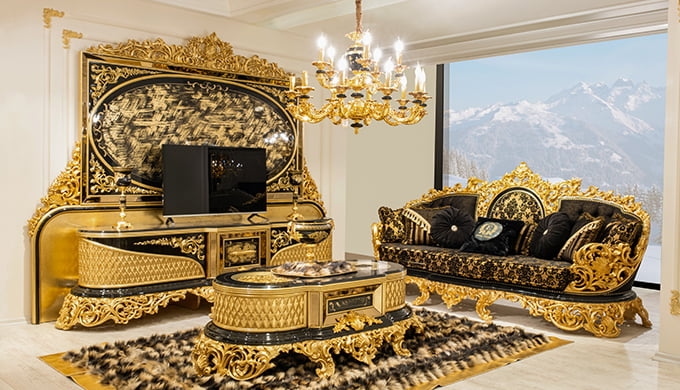
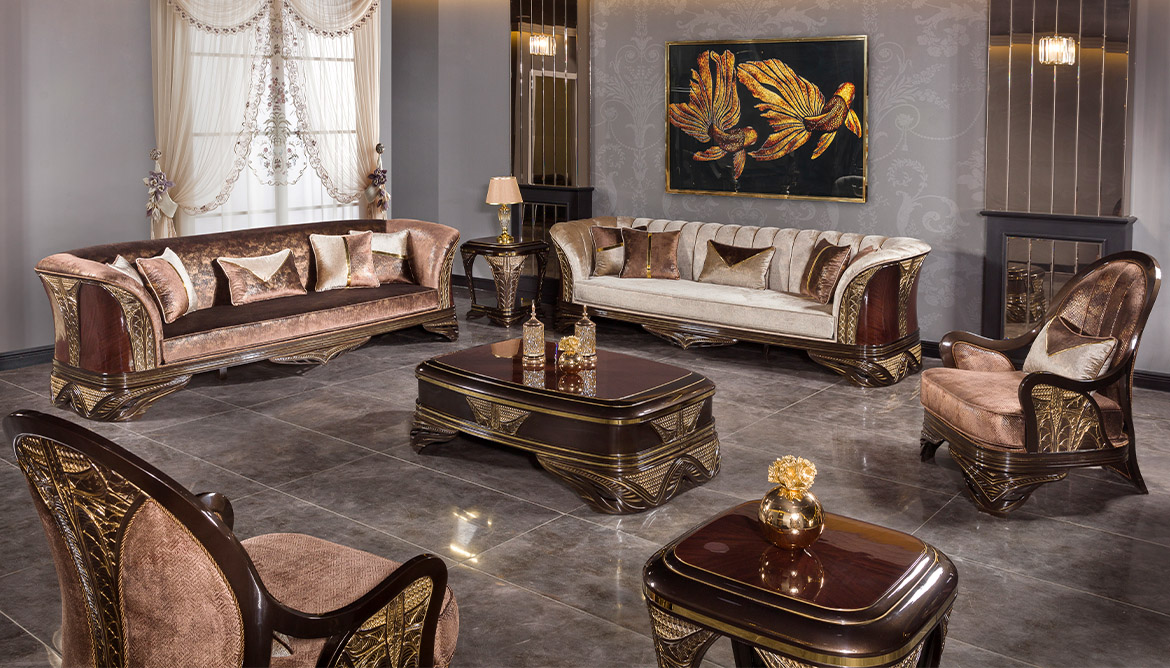
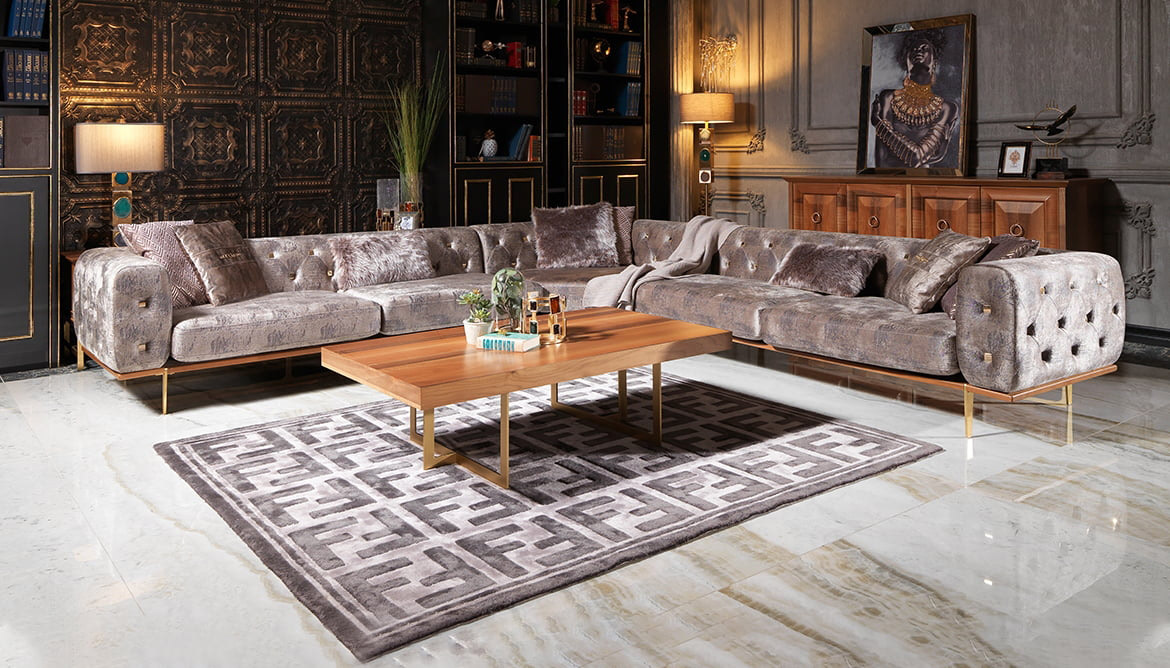
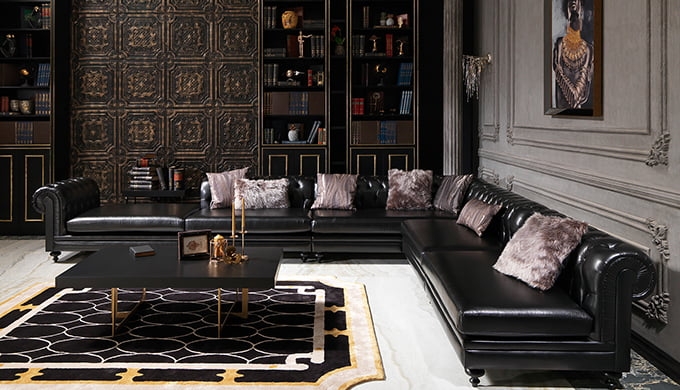
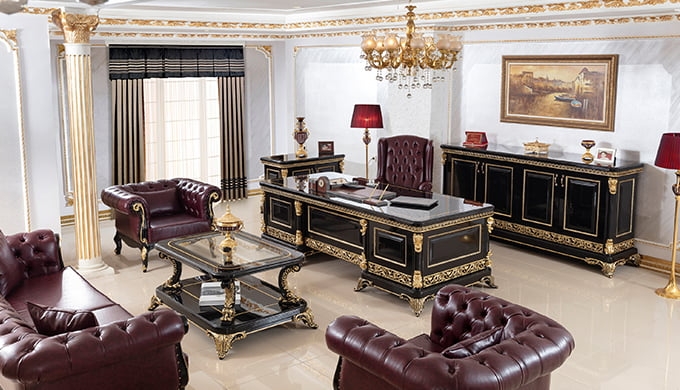
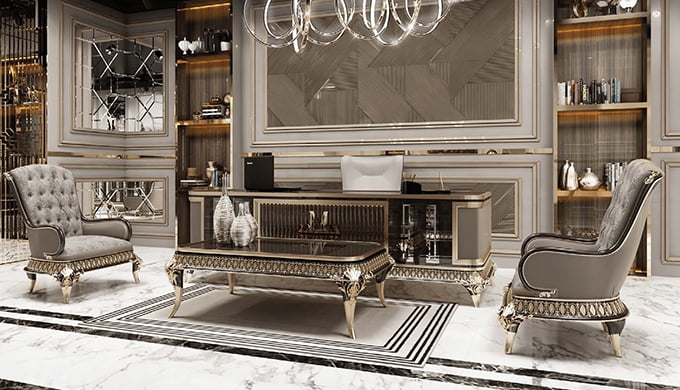
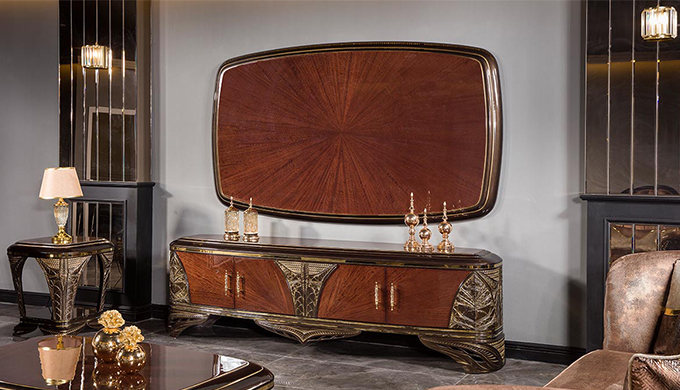
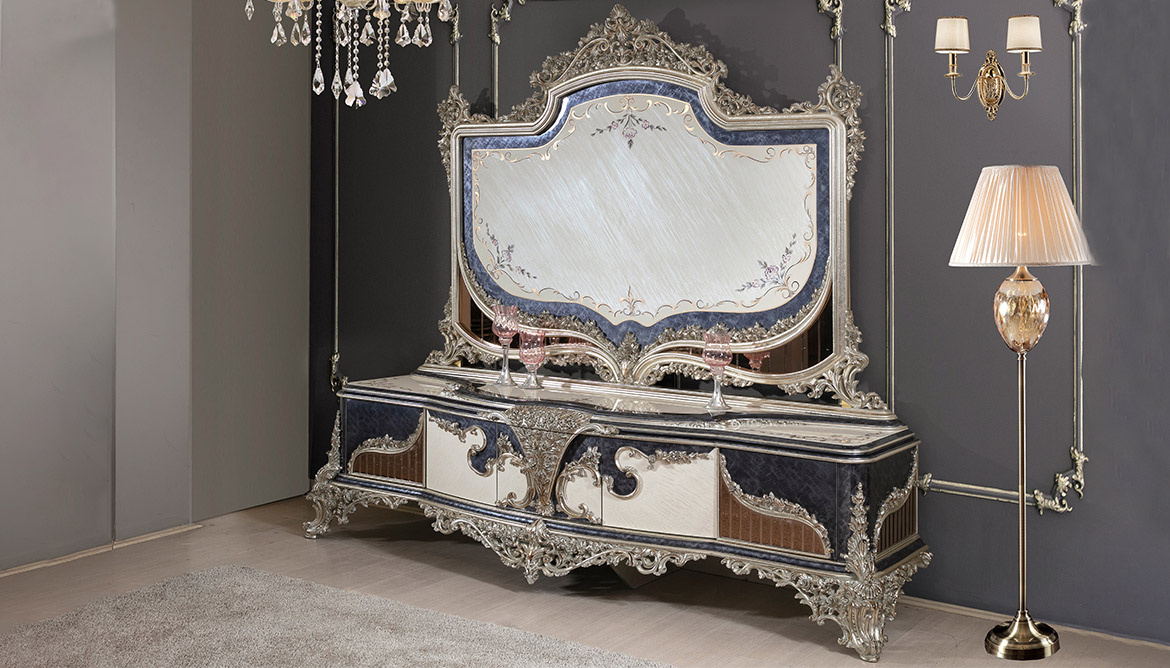
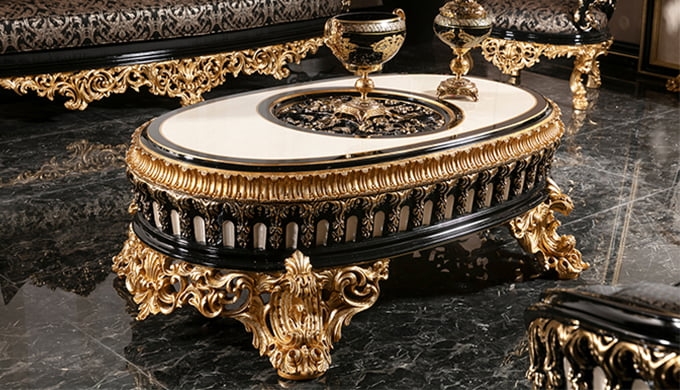
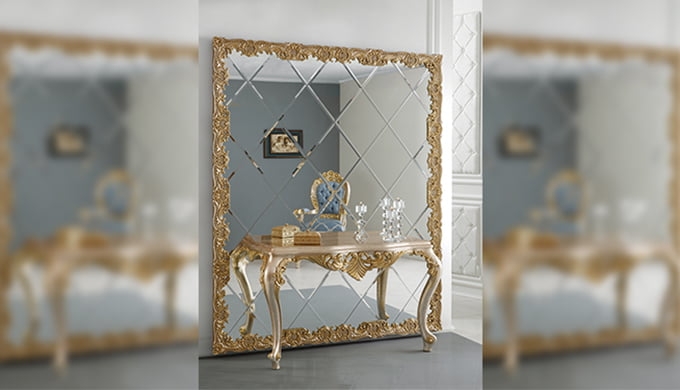
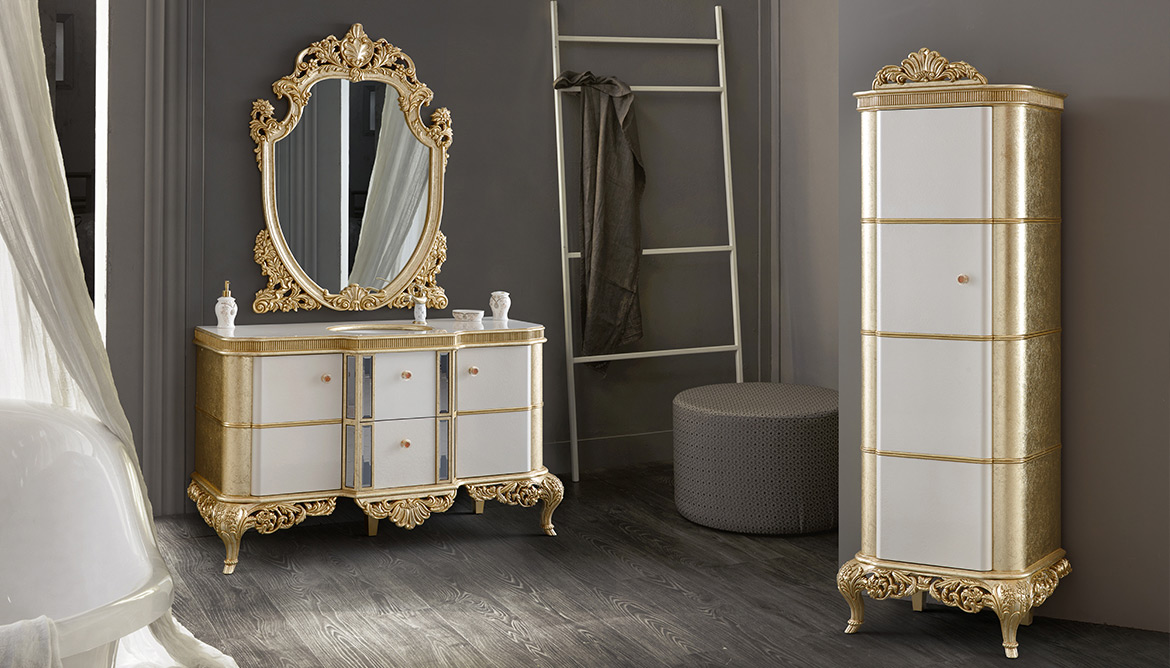
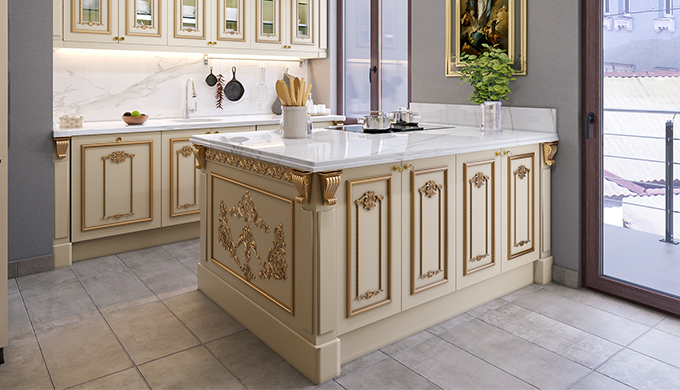
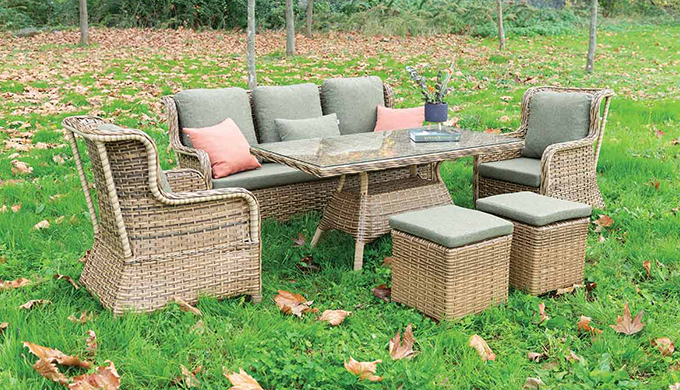
Your home is far more than just four walls providing shelter; it is a silent manifesto of your personality, your vision, and your outlook on life. While every new year brings a fresh aesthetic perspective, 2026 represents a radical turning point in the world of interior design. The era of “fast-consumption” furniture is being replaced by pieces with a legacy to pass down through generations; chaotic designs are giving way to “Quiet Luxury” and “Sensory Minimalism.”
In this guide, we will dive deep into the 2026 home decoration trends inspired by global design capitals, aimed at transforming your living spaces into modern masterpieces. If you seek to blend high aesthetics with functionality, you are in the right place.
1. The Material Revolution: Naturalness and Tactility
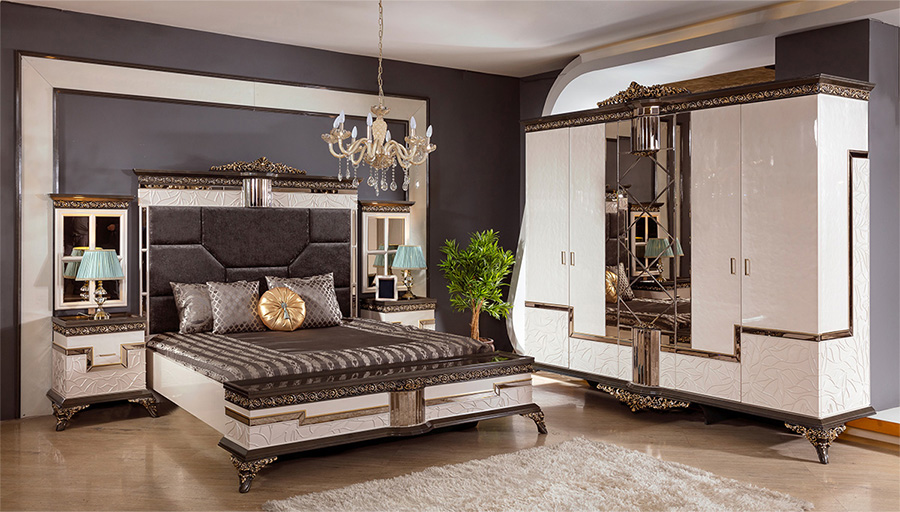
In 2026, the most frequent word we will hear in interior design is “Texture.” The feeling you get when you touch a piece of furniture is now just as important as its visual appeal. Cold, glossy surfaces are being replaced by warm, raw, and character-filled materials.
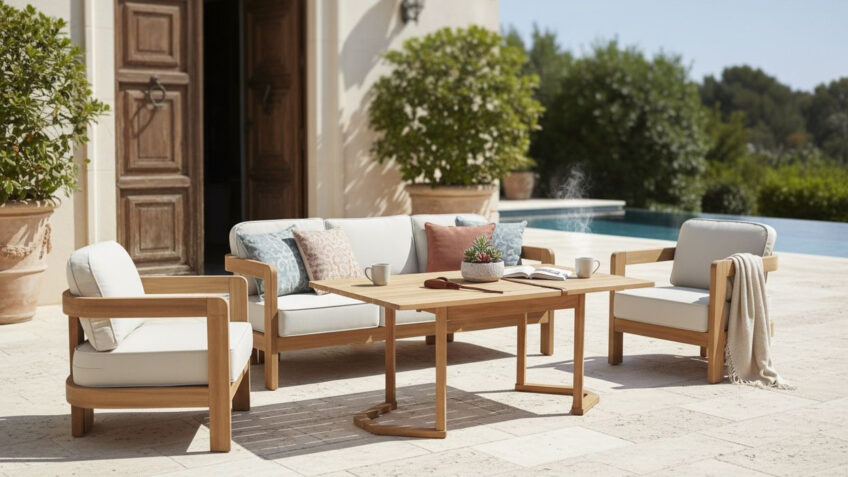
- Travertine and Raw Stone: We will see raw stone craftsmanship everywhere, from kitchen islands to coffee tables. Especially unpolished stones that preserve their natural pores add an organic depth to the space.
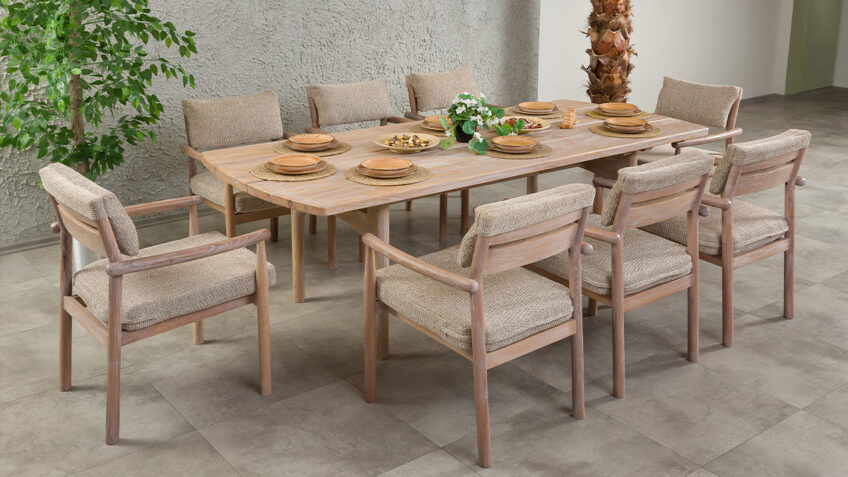
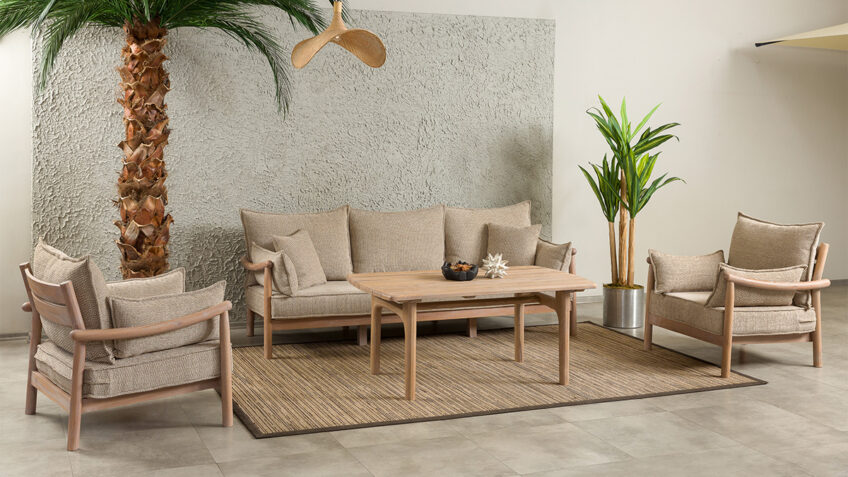
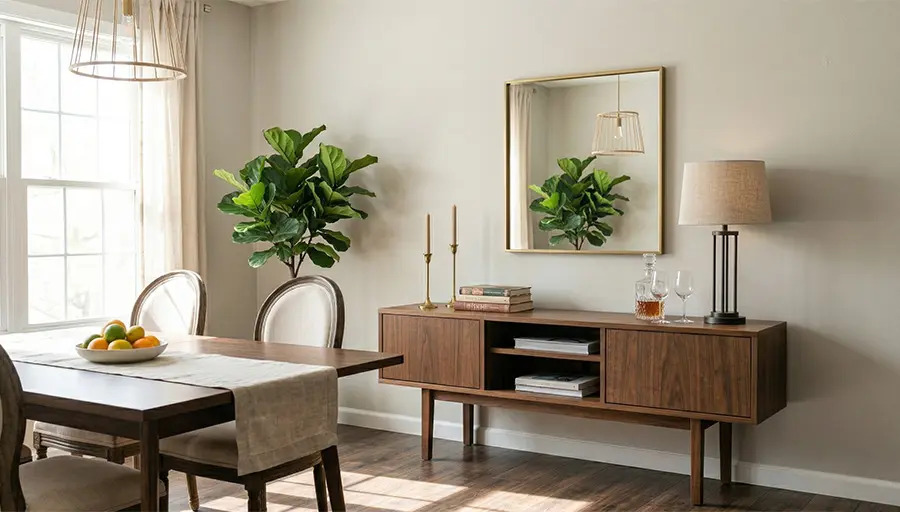
- Dark Wood Tones: The long-dominant light Scandinavian oak is stepping aside for rich walnut and deep wenge tones. This shift brings a more grounded and prestigious atmosphere to interiors.
- Bio-Luxein Textiles:Luxury velvets and raw linens made from recycled ocean plastics are bridging the gap between sustainability and high-end aesthetics.
2. Form and Function: The Rise of Organic Lines
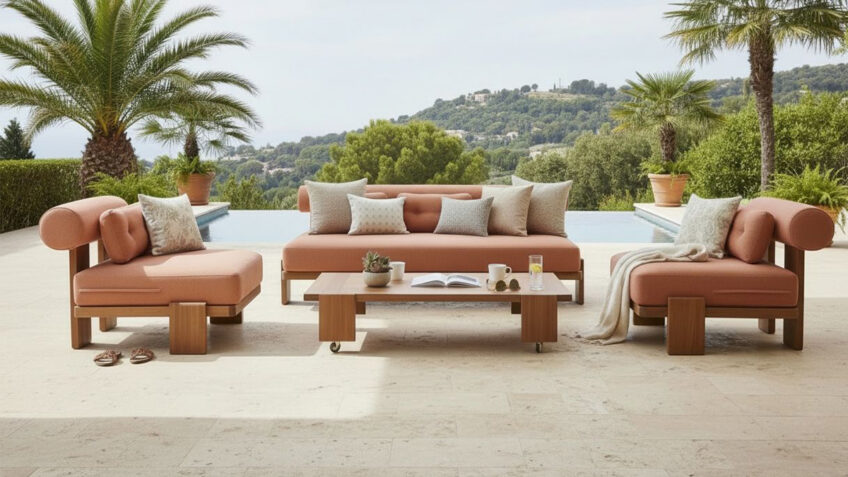
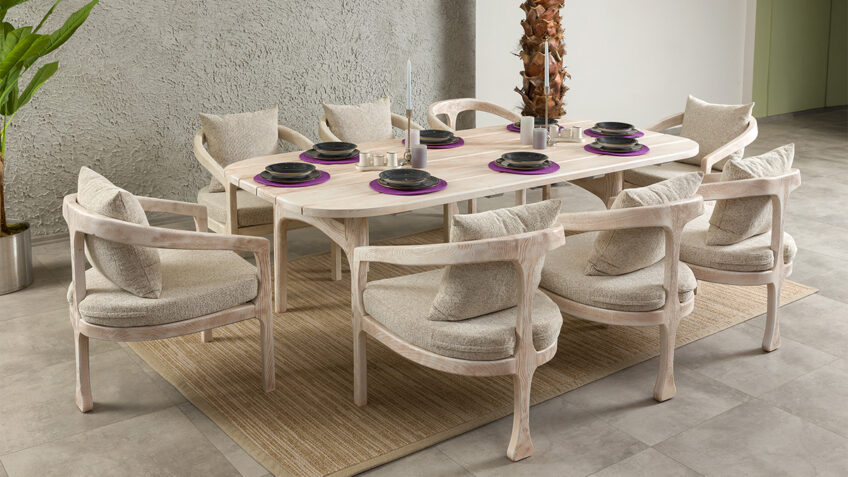
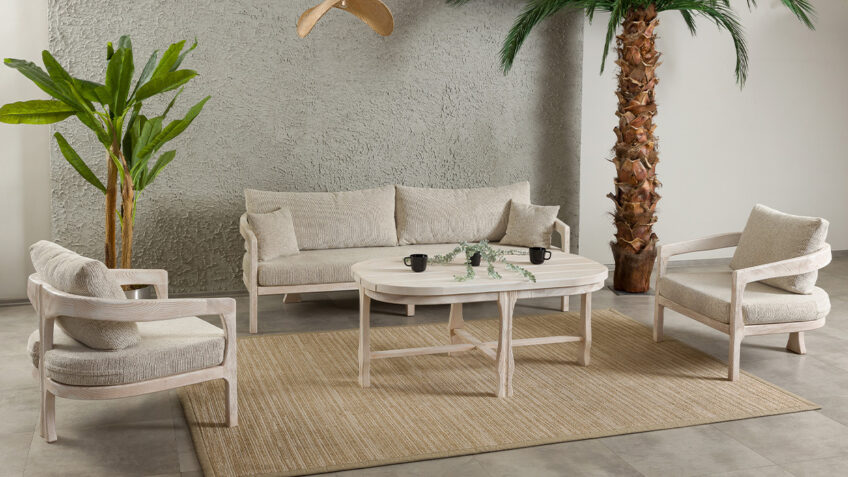
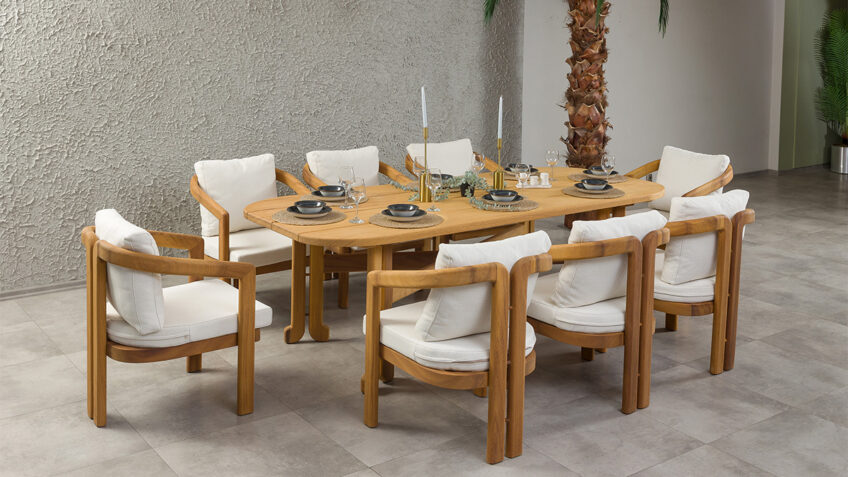
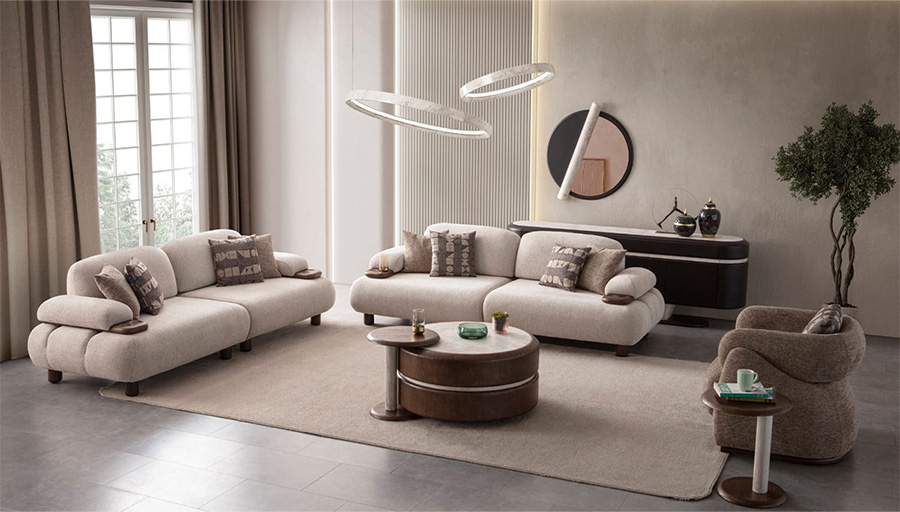
The sharp and rigid corners of the past are softening into curved forms in 2026. The “Curve” trend is manifesting not only in sofa sets but also in kitchen cabinetry and console silhouettes.
Why Organic Forms?
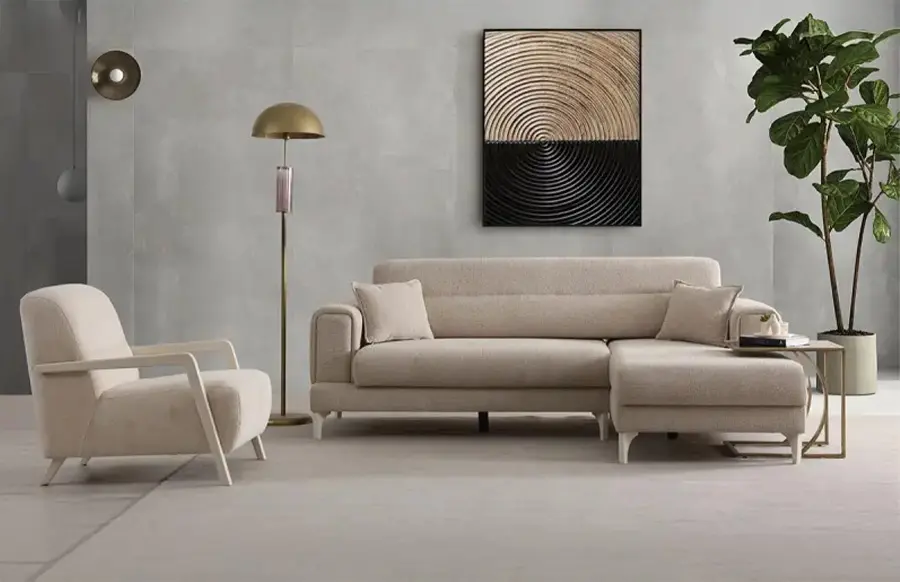
Psychological research proves that curved and rounded lines evoke feelings of safety and serenity in the human brain. In our homes, where we escape the stress of modern city life, this “cocooning” effect is vital. You can explore the most concrete examples of this trend in , where ergonomic structures wrap around the body through curved arms and backrests.
Design Divergence: 2025 vs. 2026
The following table summarizes the shift between previous popular approaches and what awaits us in 2026:
| Feature | 2025 Approach | 2026 Trend |
|---|---|---|
| Primary Material | Light Oak / Lacquer | Dark Walnut / Raw Stone |
| Form Structure | Sharp Geometric Lines | Organic and Fluid Curves |
| Color Palette | Cold Grays and White | Earth Tones and Muted Greens |
| Technology | Visible Smart Devices | Hidden and Integrated Systems |
| Fabric Type | Flat Weaves | Bouclé and High-Texture Chenille |
3.The 2026 Color Palette: Depth from Nature
This year, colors inspired by nature’s rawest state dominate our homes. However, these colors are not bright or vivid; they appear as “dusty” and “mature” tones.
- Terracotta (Earth Red): Ideal for creating a sense of warmth and belonging.
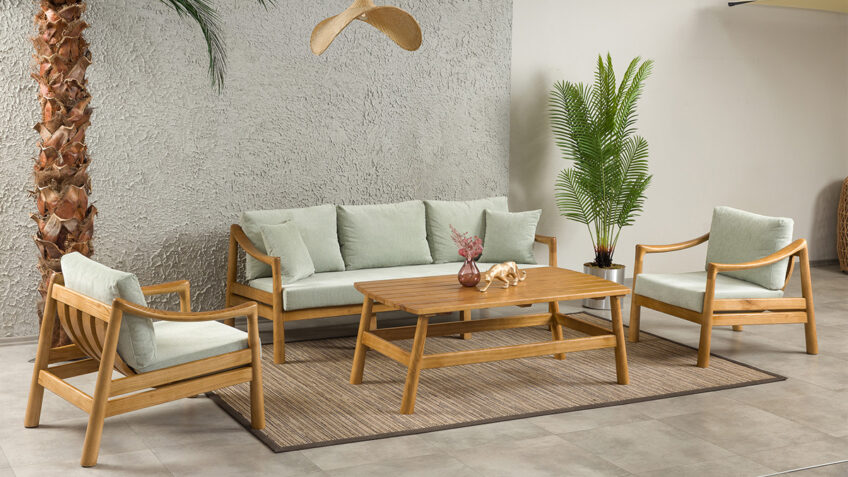
- Moss Green: Brings the outdoors in, offering a tranquil depth.
- Caviar Black: Not a flat black, but deep tones containing hints of charcoal and navy—the new definition of luxury.
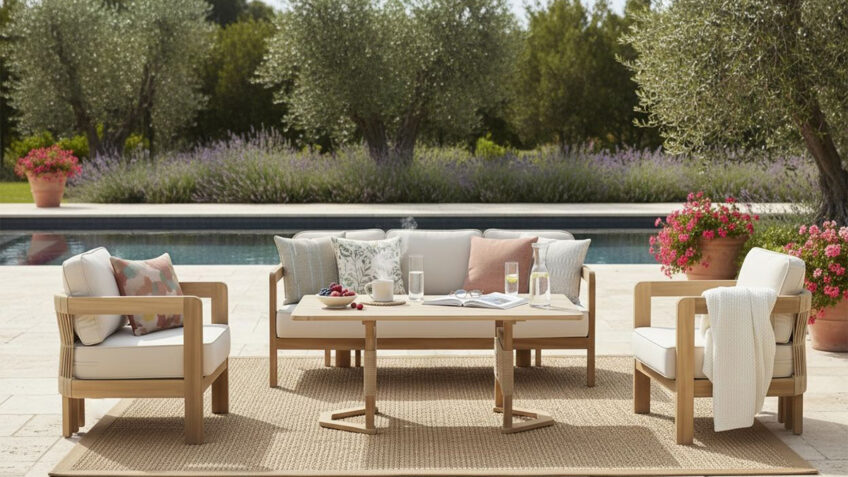
- Sandy Beige: A fundamental base color that breaks the coldness of gray-white, keeping the space bright yet warm.
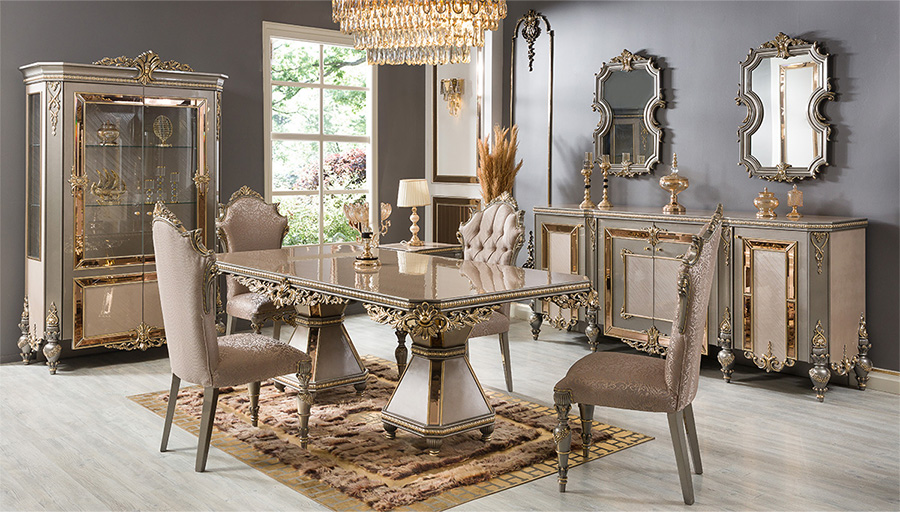
When using these colors in your furniture, create contrast with metallic touches in accessories. Brushed brass or aged copper details pair perfectly with these earthy tones.
4. Quiet Luxury and Functionality
The “Quiet Luxury” movement represents designs that do not scream but announce their quality through subtlety. The quality of a piece is understood through the precision of its stitching, the silence of its hinges, and the weight of its material. In 2026, users prefer creating character with a few high-quality pieces rather than filling a room with clutter.
“True luxury is the provision of the comfort you need in its purest and highest quality form.”
For smaller spaces, “smart modularity” is at the forefront. A sectional sofa is no longer just a seating area; it becomes a functional station with integrated wireless charging units and armrests that double as side tables. Our category features storage beds this year that transform utility into a design element.
5. Golden Rules for Implementation
When decorating your home according to 2026 trends, follow these steps:
- Define a Focal Point: Choose one “star” piece for every room (e.g., a massive marble dining table or an organic-shaped sofa).
- Layered Lighting: Don’t settle for just a ceiling lamp. Create depth with floor lamps, sconces, and integrated LED lighting within furniture.
- Don’t Forget Plants: As part of biophilic design, large-leafed plants are the best companions for your furniture.
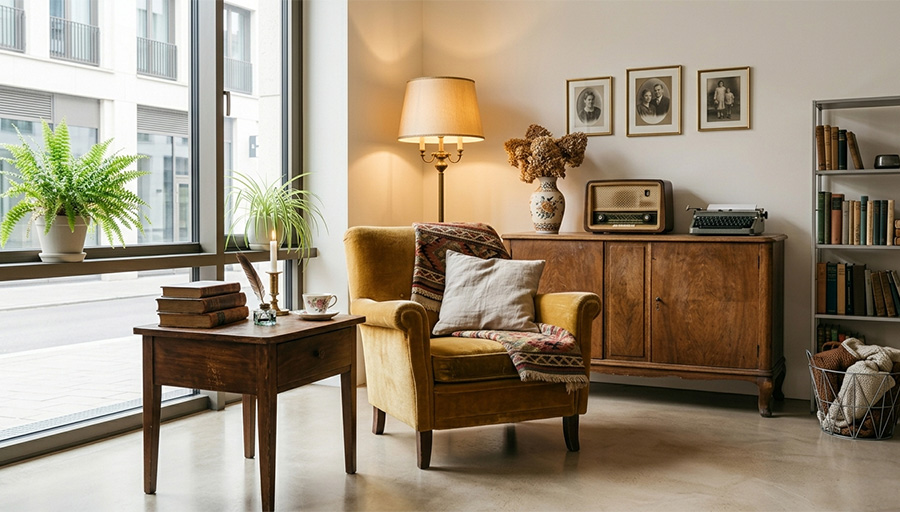
- Personalize: Trends are guides, but your home should tell your story. Don’t hesitate to combine an antique piece with a modern sofa.
Frequently Asked Questions (FAQ)
1. Which furniture style is most popular in 2026?
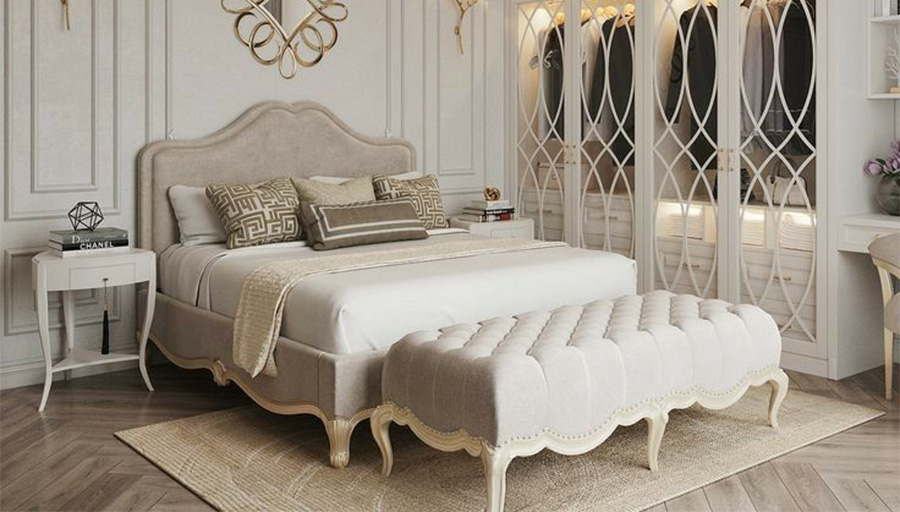
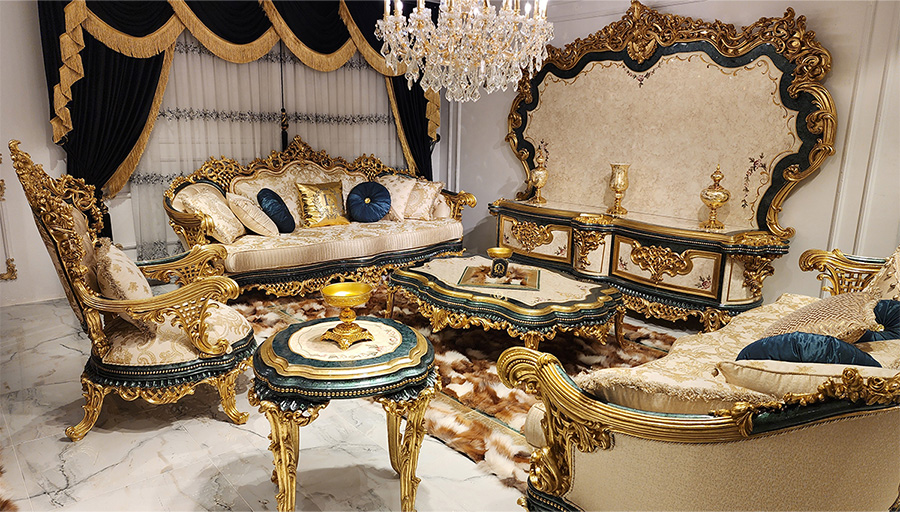
The synthesis of Modern-Classic and the “New Minimalist” style are among the most preferred. Designs where modern lines meet classic craftsmanship are particularly prominent.
2. What are the 2026 trends for small living rooms?
Using earth-toned bases and choosing low-profile furniture makes a space feel larger. Additionally, curved sofas provide a smoother flow in the room compared to angular ones.
3. How can I identify sustainable furniture?
The use of FSC-certified wood, recycled fabrics, and water-based paints are the most important indicators of a sustainable piece of furniture.
4. How do I apply “Quiet Luxury” to home decor?
By choosing high-quality materials without loud logos or exaggerated ornaments. The stitching quality of a velvet sofa or the natural texture of a solid wood table reflects this movement.
5. In which rooms should 2026 colors be used?
Earth tones and greens provide peace in bedrooms and living rooms, while deeper “Caviar Black” or dark charcoal tones can be used in home offices to increase focus.