
 English
 Favorites
  Account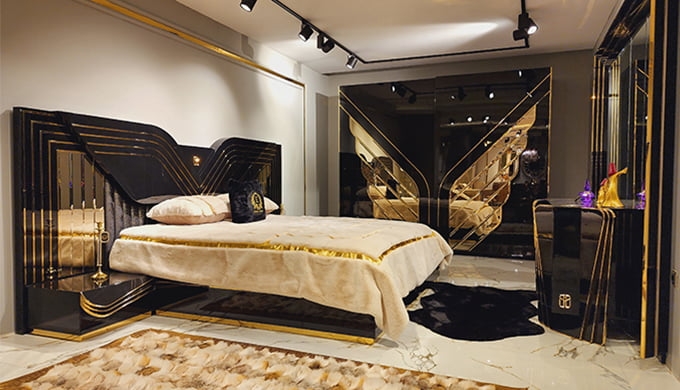
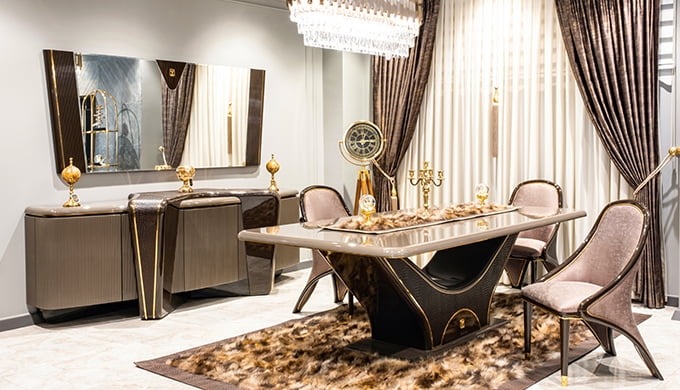
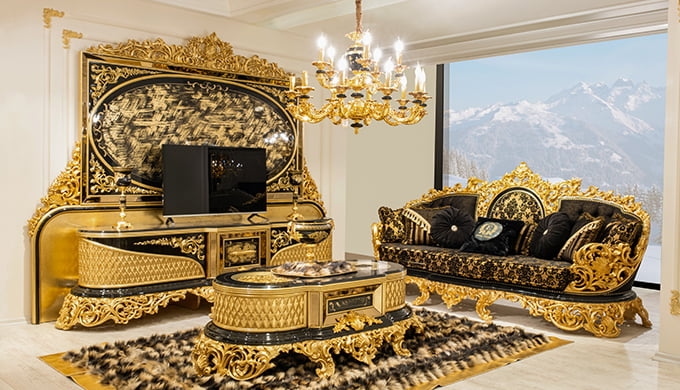
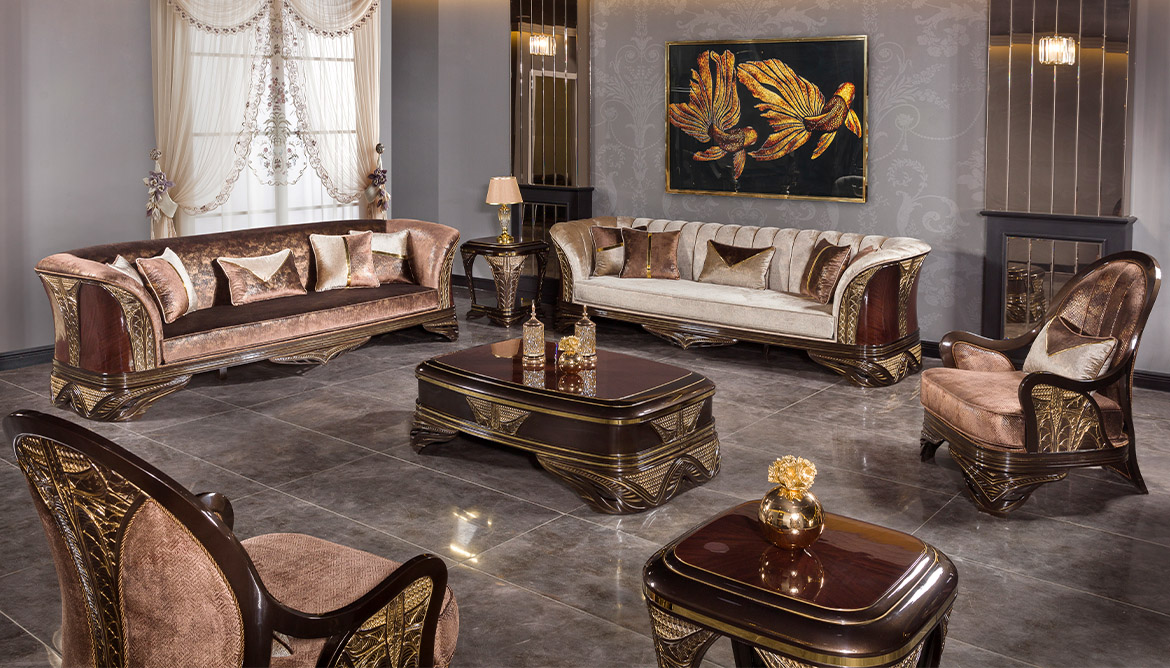
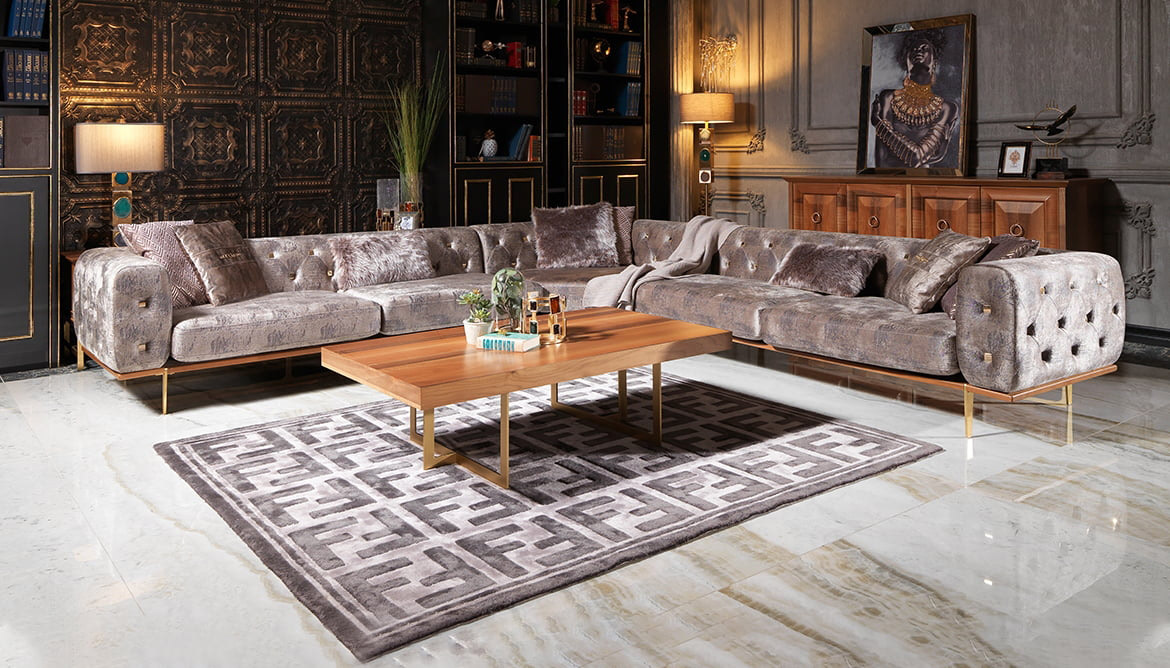
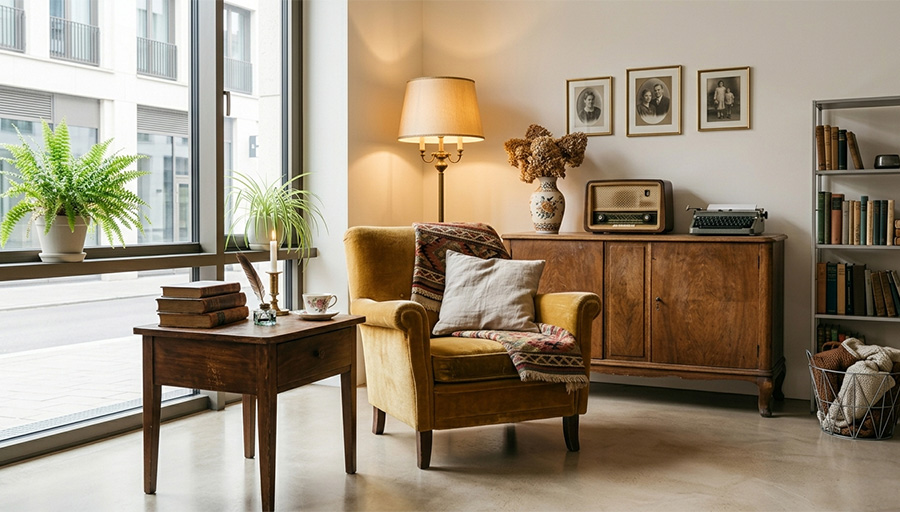
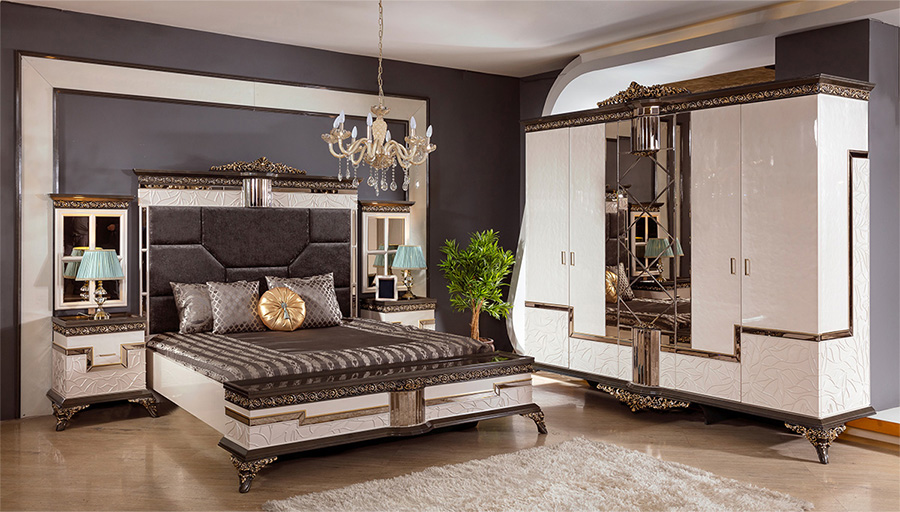
In today’s fast-paced, digitalized, and increasingly concrete-dominated world, our home is not just a place we inhabit; it is also our safest sanctuary where we rest our souls and recharge. Stepping away from the chaos, endless noise, and stress of city life, wouldn’t you want to feel the affectionate, calm, and peaceful touch of nature as soon as you step inside? This is exactly where the rustic style comes into play, rescuing your living spaces from artificiality and uniting them with the unique aesthetics of naturalness. Celebrating the perfection within imperfections, the warmth of lived experiences, and the raw state of nature, this design approach has merged with modern lines in recent years, reaching a brand-new, global dimension.
So, what exactly is the rustic style that has taken the whole world by storm, evolving from a passing fad into a universal life philosophy? How can you create a spacious and stylish home that centers on naturalness without compromising the comfort and functionality offered by modern living? In this comprehensive guide, we will delve deep into the ways of adding both a deep-rooted character and contemporary elegance to your home, along with the subtle secrets of the decoration world.
The Core Philosophy of Rustic Decoration: Return to Nature
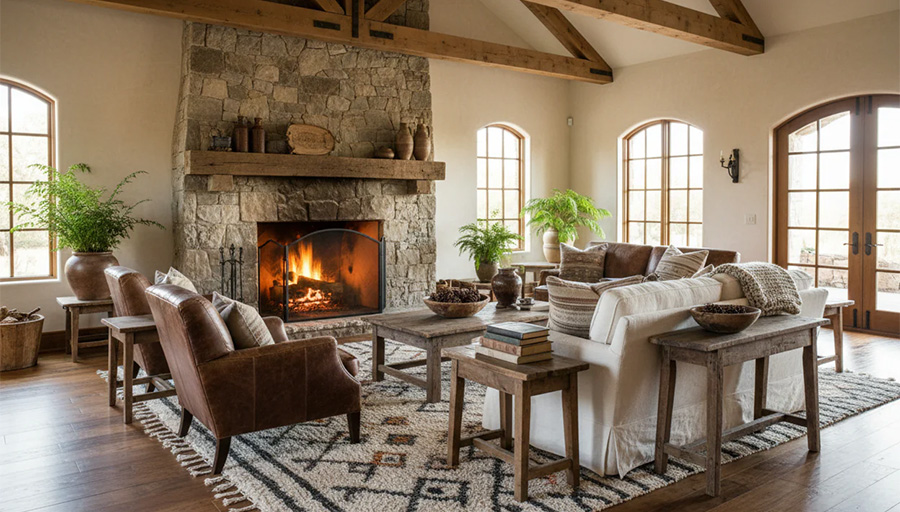
The word rustic, by its origin, refers to rural life, the unpretentious simplicity of village houses, and the state of being in direct contact with nature. However, its current equivalent in global decoration trends is a much more refined and sophisticated vision than just a dark “chalet” or a classic “farmhouse” look. Rustic style is the art of using industrially unperfected woods, roughly hewn natural stones, organic fabrics far from synthetics, and the earth’s own natural tones in perfect harmony.
The main philosophy at the heart of this style is to oppose the monotony of fabricated production and embrace the asymmetry offered by nature and the uniqueness of handcraftsmanship. The knot marks on a wooden table, the rough surface of a natural stone, or the slight stitch variations of a hand-woven rug are the signature features of this style. The modern rustic approach, on the other hand, directly responds to the aesthetic and comfort expectations of modern humans by blending these raw and natural materials with bright spaces, clean and clear lines, and minimalist furniture.
Essentials of Modern Rustic Home Decoration
If you want to create a warm, inviting, but at the same time contemporary modern rustic atmosphere in your home, there are specific building blocks you need to focus on. Bringing these elements together correctly will completely change the soul of the space.
The Unique Warmth and Raw Texture of Wood
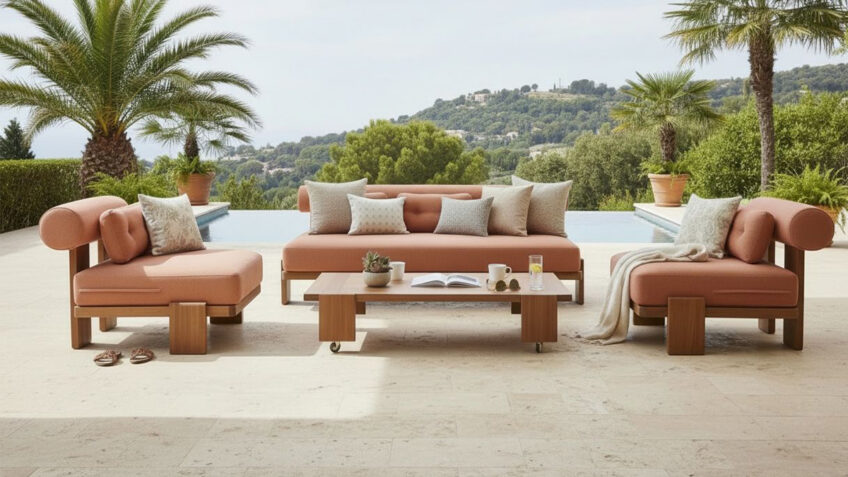
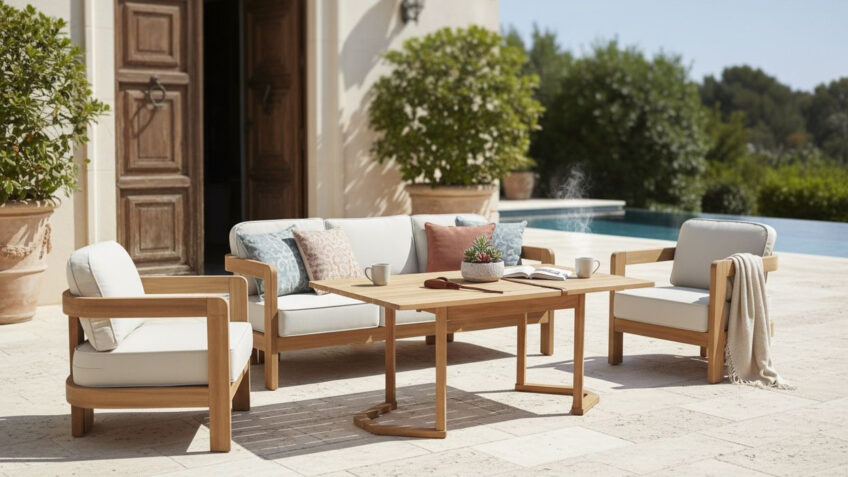
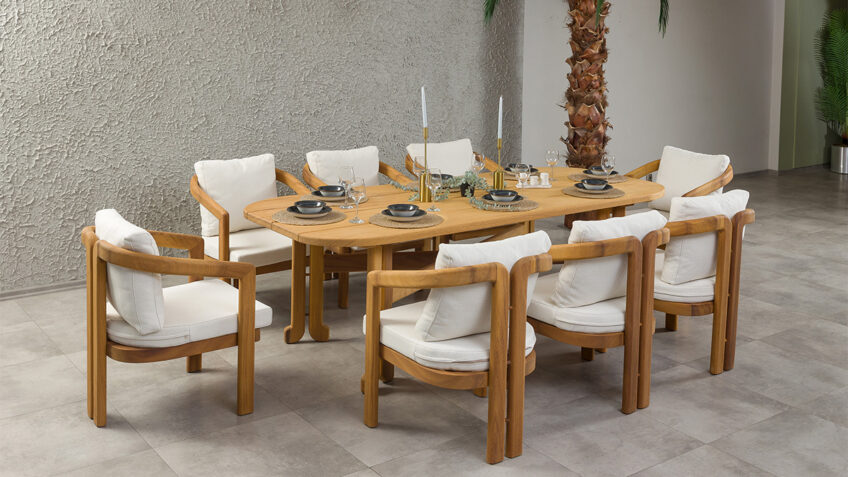
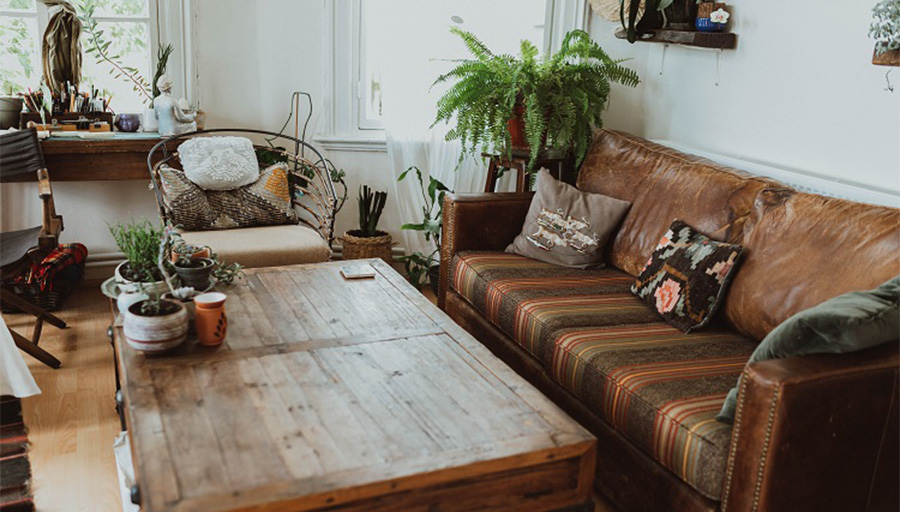
Wooden materials constitute the very DNA of rustic design. However, the furniture preferred here is not glossy surfaces covered with heavy varnishes that have lost their naturalness. On the contrary, they are solid and raw woods that are closest to their form in nature, whose texture you can feel at your fingertips. Items showcasing the natural grains of trees like walnut, oak, pine, or teak instantly add an organic character to the space.
How can you use wood at home?
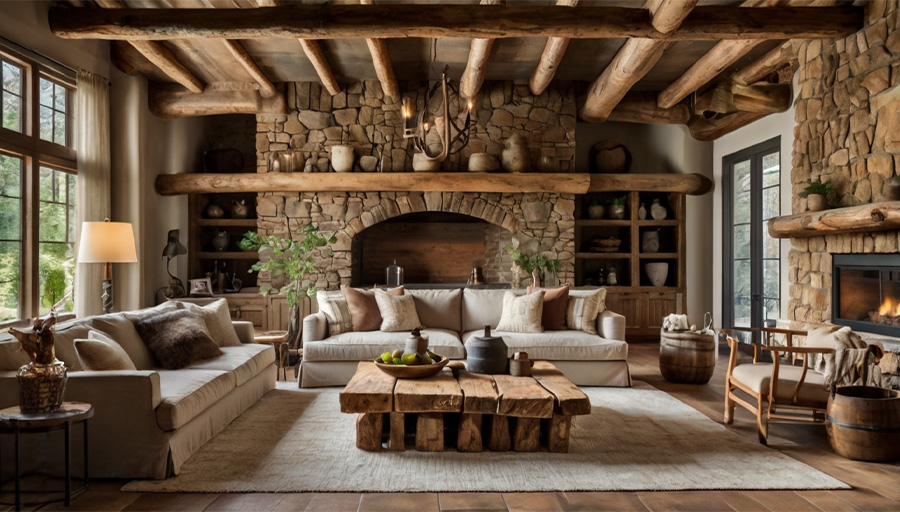
- Exposed Ceiling Beams: If your architectural structure allows, raw wooden beams left on the ceiling or added later instantly add a timeless depth to your room.
- Use of Reclaimed Wood: Wooden panels obtained from old barn doors, boats, or demolished historical buildings give your home a unique story with the feeling of lived experience and scratches on them.
- Organic Shaped Furniture: Instead of sharp-lined, laser-cut geometric shapes, tables and coffee tables that preserve the natural curves and live-edges of the tree create great focal points.
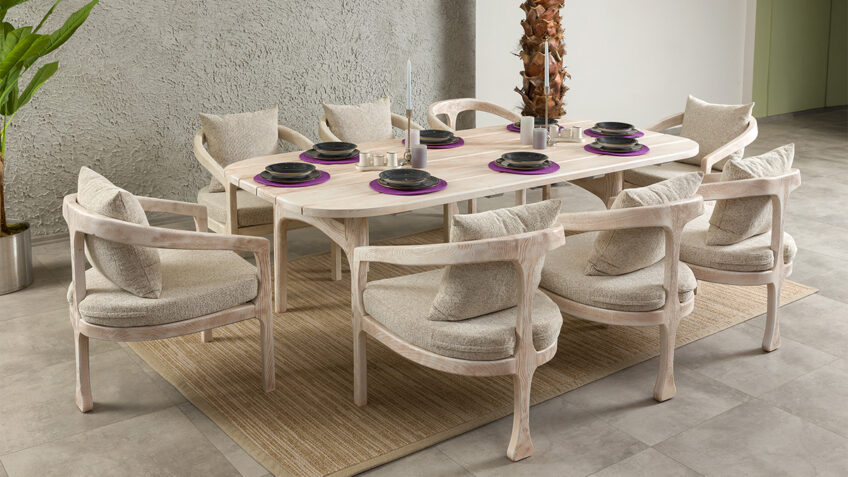
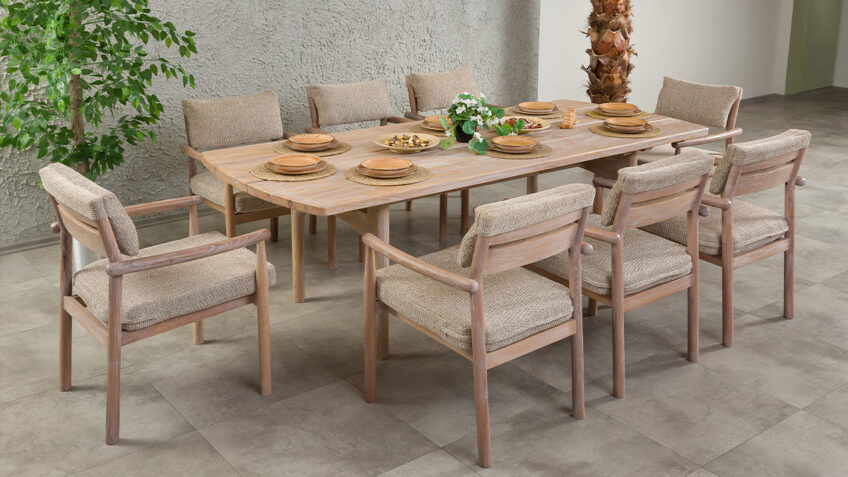
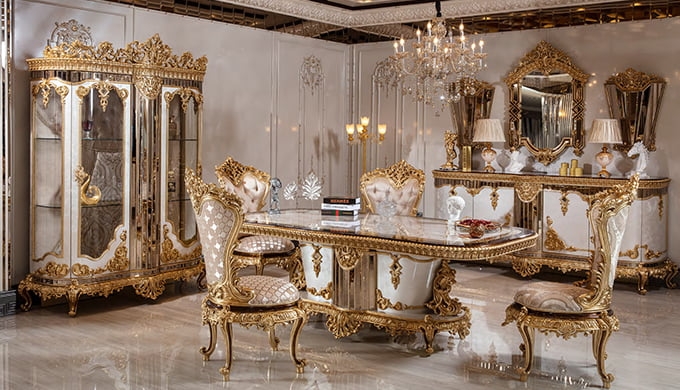
To keep this unique texture of nature at the center in the large dining areas where you host your family and loved ones, you can discover the most suitable and long-lasting piece for your home by reviewing our collection.
The Balancing Power of Natural Stones, Brick, and Metal
Focusing solely on the use of wood can make a space feel heavy and stifling over time. The biggest secret of modern rustic design is to balance the warmth of wood with the cold nature of stone and metal. Roughly hewn natural stones around a fireplace or on an accent wall, travertine surfaces, or a distressed blend brick application give the space a strong texture.
To emphasize modernity and add industrial elegance to the design, metals come into play. Matte black iron details, brass handles, or distressed copper lighting fixtures create wonderful contrasts.
Step-by-Step Guide to Applying Rustic Style to Your Home
If you want to recreate your home from scratch or aim to harmonize your living spaces with nature with the right touches, here is the step-by-step roadmap used by professionals:
- Determine a Nature-Inspired Color Palette: Start by using neutral, bright tones such as off-white, cream, beige, and light gray as base colors on your walls and large furniture. On top of this spacious background, add dynamism to the space by adding natural accent colors such as forest green, deep ocean blue, brick red, mustard yellow, or warm chocolate brown.
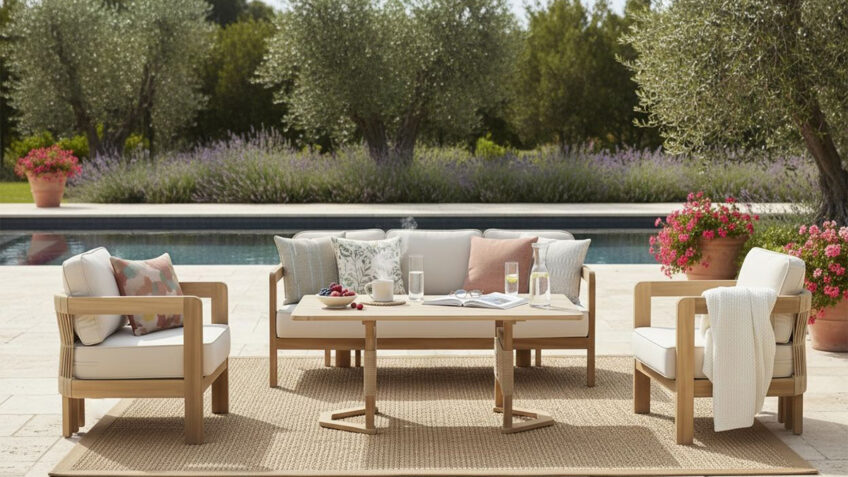
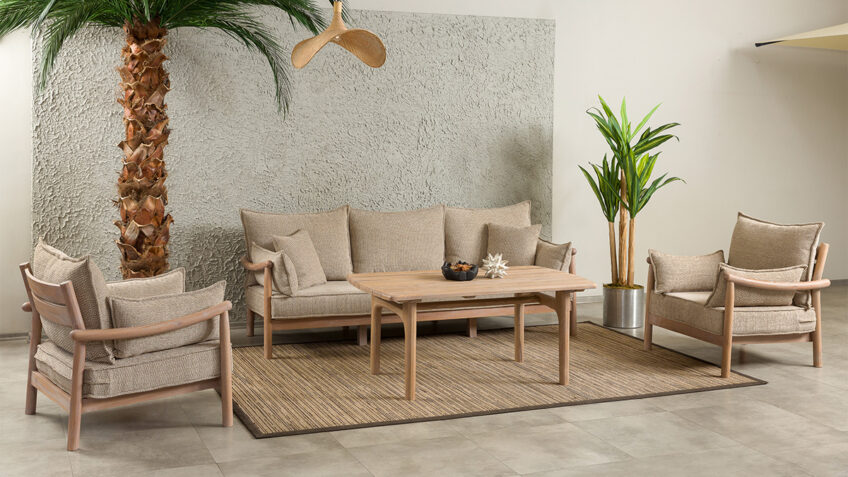
- Create Layered and Rich Textures: Rustic style appeals to the sense of touch. Create an incredible layer in the room by using a thick knitted wool throw over a matte leather armchair, flying linen curtains on the windows, and a rug woven from natural fibers such as jute or sisal on the floor. Definitely stay away from shiny, synthetic fabrics like nylon and polyester. If you want to feel this organic touch in the resting areas of your home, do not forget to check out our page.
- Maximize Natural Light: Unlike traditional chalets, modern rustic homes must be bright and airy. Do not block your windows with heavy furniture; instead of thick drapes, use natural textured blinds or sheer curtains that soften the light and let it in. In artificial lighting, avoid white fluorescents; increase the intimacy of the space with daylight or warm yellow-toned LED bulbs.
Classic Rustic vs. Modern Rustic Comparison
If you are having trouble deciding which style is more suitable for your lifestyle and home, the comparison table below will guide you:
| Design Feature | Classic Rustic Style | Modern Rustic Style |
|---|---|---|
| Furniture Lines | Large, bulky, heavy-formed, and intensely carved details | Clean, clear, minimalist, simple, and functional lines |
| Main Materials | Very dark-colored rough woods, large and rough stones | Light-colored processed raw woods, smooth natural stones |
| Color Palette | Dark browns, burgundy, dark pine green, dim tones | Natural accent colors on a white, cream, light gray base |
| Lighting Preference | Heavy wrought iron chandeliers, candelabras, and dim yellow light | Geometric formed metal fixtures, abundant natural daylight |
| General Atmosphere | Nostalgic, traditional, more closed and dignified | Spacious, bright, integrated with the outdoors, and contemporary |
Rustic Design Ideas by Room
While spreading the rustic aesthetic throughout the home, making choices suitable for the function of each room is critical.
The Heart of Your Living Space: The Living Room
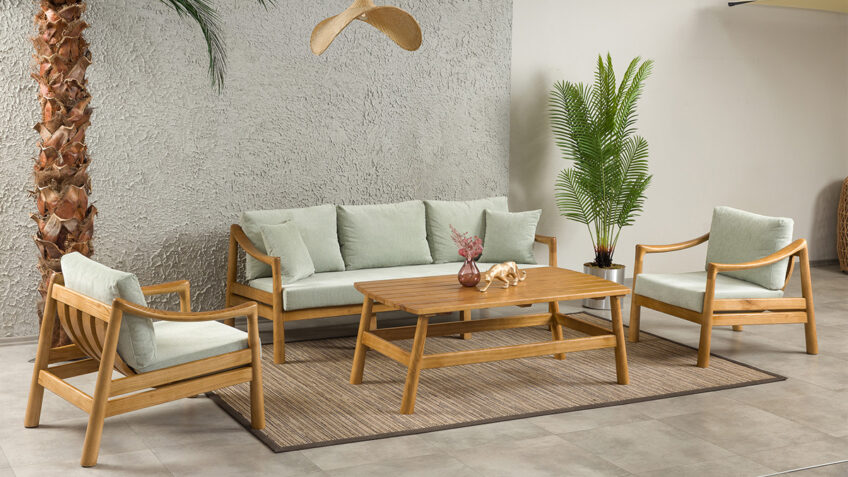
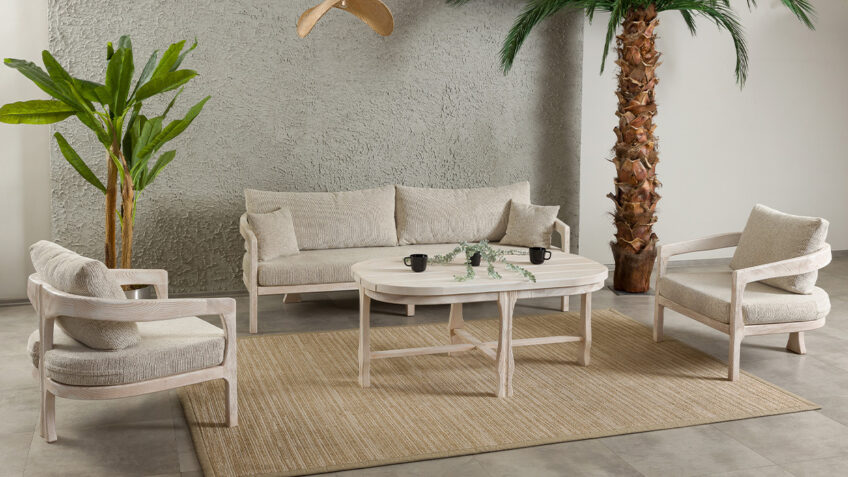
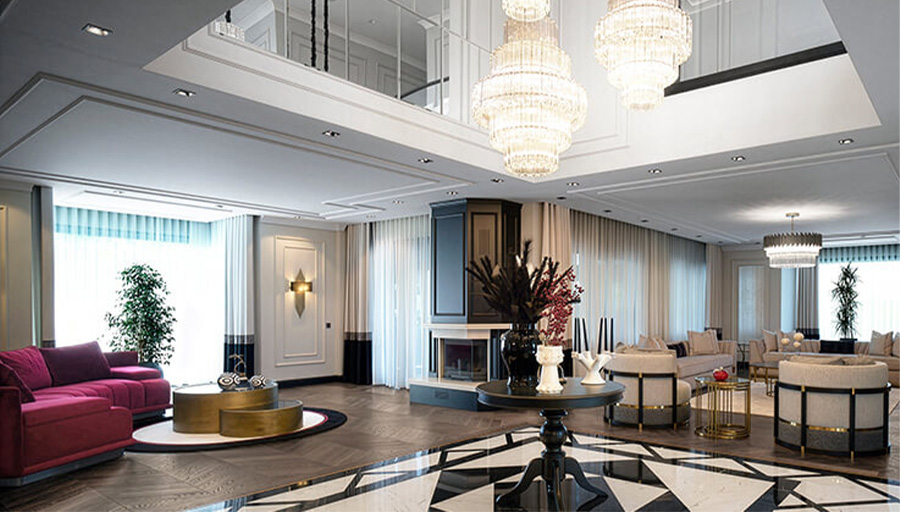
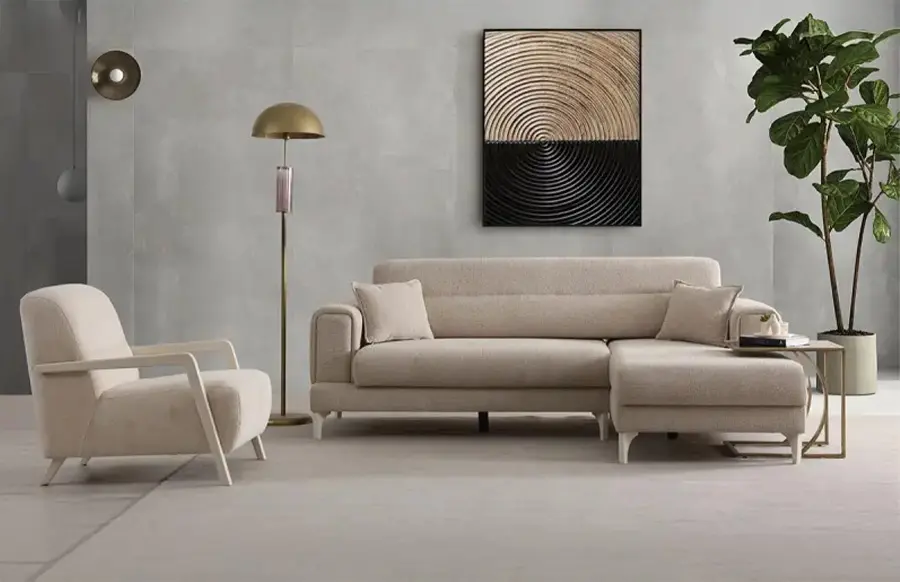
Living rooms are the showcases where your decoration vision is read most clearly. Here, place a comfortable, wide, and linen/cotton textured soft sofa that brings the family together in the center. Complement the sofa with a live-edge solid wood coffee table to be used in the middle area. Strengthen the natural theme by using abstract nature landscapes, macrame wall hangings, or ceramic objects on your walls. If you are looking for functional and aesthetic solutions centered on naturalness in your living room, you can reach inspiring models by visiting our category.
Peaceful Sleep Areas: The Bedroom
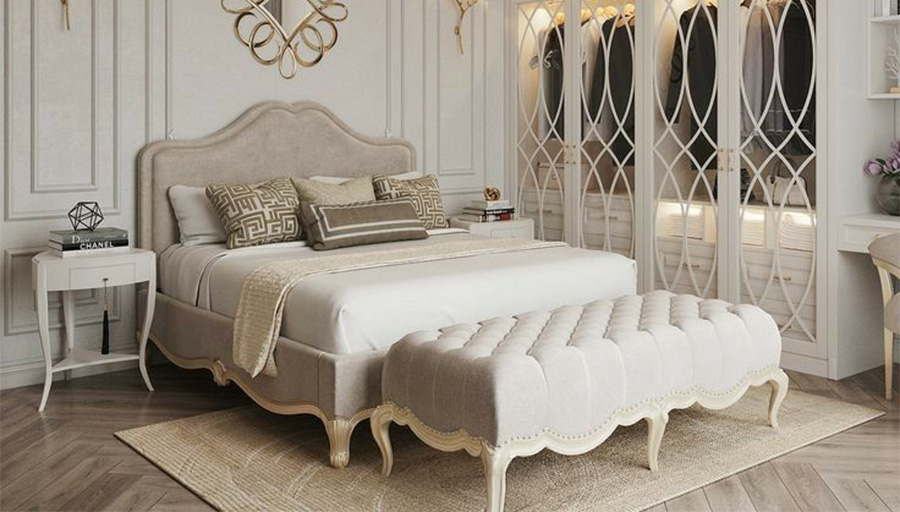
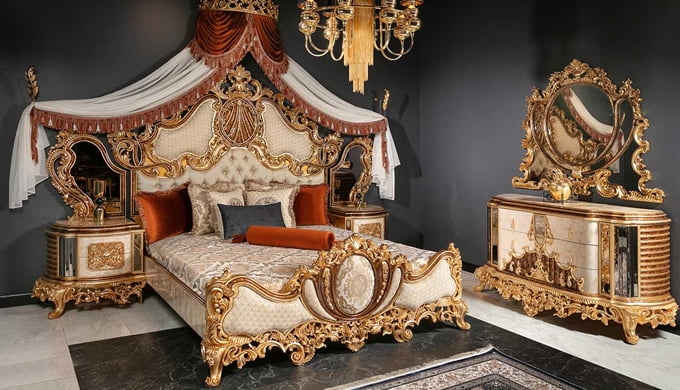
The most effective way to create a stress-free “cocoon” feeling in the bedroom is to use nature itself on the headboard. A bed frame designed from distressed or thick raw wood instantly brings a peaceful mountain cabin tranquility to the room. Ensure integrity with pure cotton bed linens you will lay on it, linen pillowcases in earth tones, and a solid wood bench you will place at the foot of the bed. To start the day in the lap of nature, renewed, examine our options right away and design the room of your dreams.
Inviting nature into your home is not just a decoration preference; it is also a lifestyle choice that is sustainable, untiring to the mind, and celebrates true aesthetics. You can also build lasting peace in your home by reshaping your living spaces with modern rustic touches.
Frequently Asked Questions (FAQ)
1. Is it expensive to apply rustic style home decoration in terms of budget?
The initial purchase cost of materials such as natural and solid wood or real stone may be higher than chipboard or plastic. However, considering the durability, long-lasting structure, and timeless aesthetics of these materials, it is a much more profitable and sustainable investment in the long run.
2. How is rustic decoration applied in small or narrow homes?
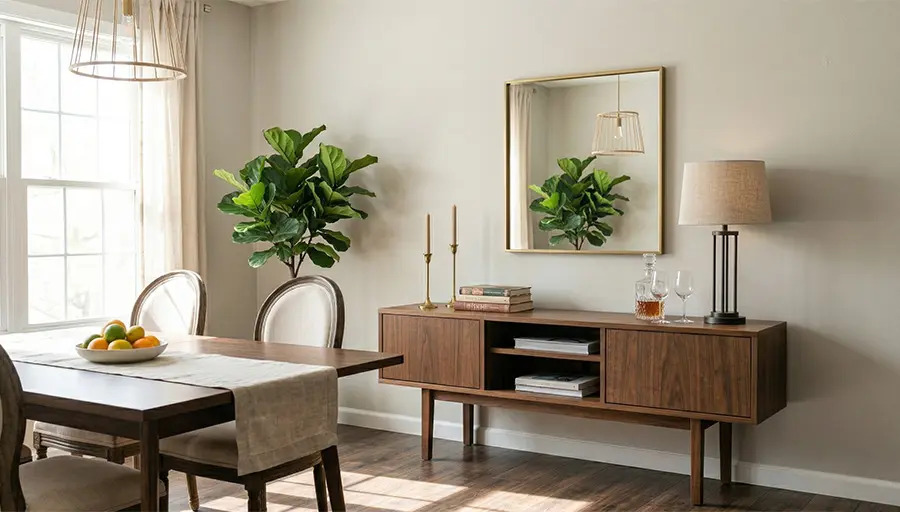
To avoid the stifling effect of classic rustic in small homes, the “modern rustic” style should be applied. By using light-colored walls (white/cream), unbulky wooden furniture with thin metal legs, and abundant natural light, the spaciousness of the space is preserved while the warmth of wood can be included in the environment.
3. How should the lighting choice be in rustic style?
Natural light is indispensable for this style. In artificial lighting, pendant lamps, sconces, and floor lamps made of black matte metal, wicker, rattan, or wooden details should be preferred. As the light color, warm and inviting daylight (3000K-4000K) tones must definitely be used.
4. Can industrial style and rustic style be combined?
Absolutely yes. In fact, the combination of these two styles has given birth to the “Industrial Rustic” or “Modern Rustic” style, one of the most popular trends today. The combination of the warmth of raw wood with industrial cold elements like iron, steel, and concrete creates a wonderful contrast in the space.
5. How should natural solid and rustic furniture be maintained?
Solid wood products should be kept away from heavy chemical cleaners. Daily dust can be removed with a damp, soft-textured microfiber cloth. To prevent the wood from drying out and to extend its life, it is recommended to nourish it with natural wood care oils (for example, linseed or teak oil) once or twice a year.