
 English
 Favorites
  Account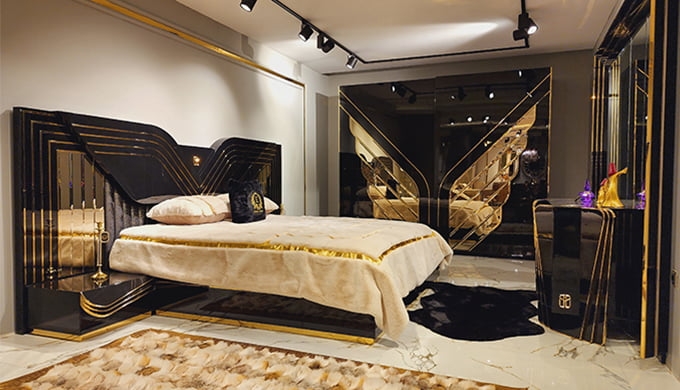
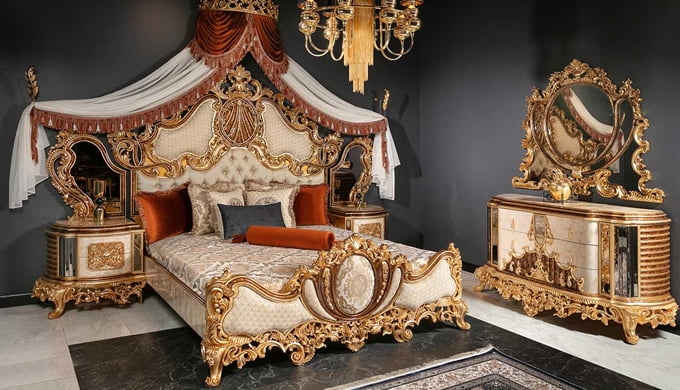
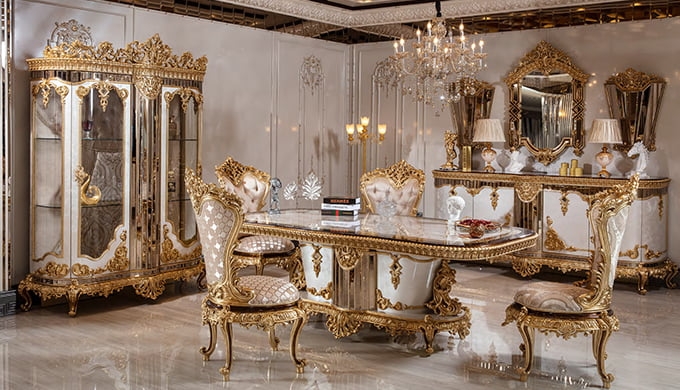
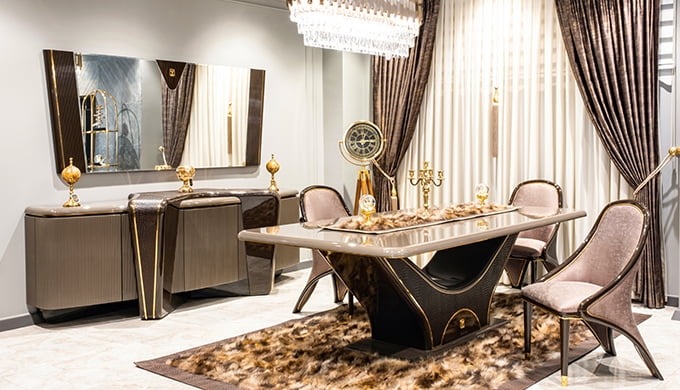
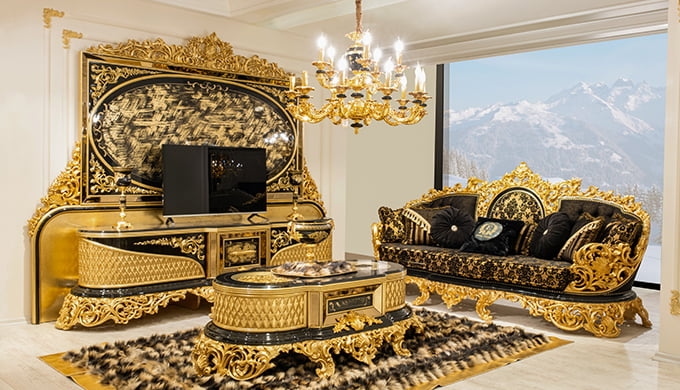
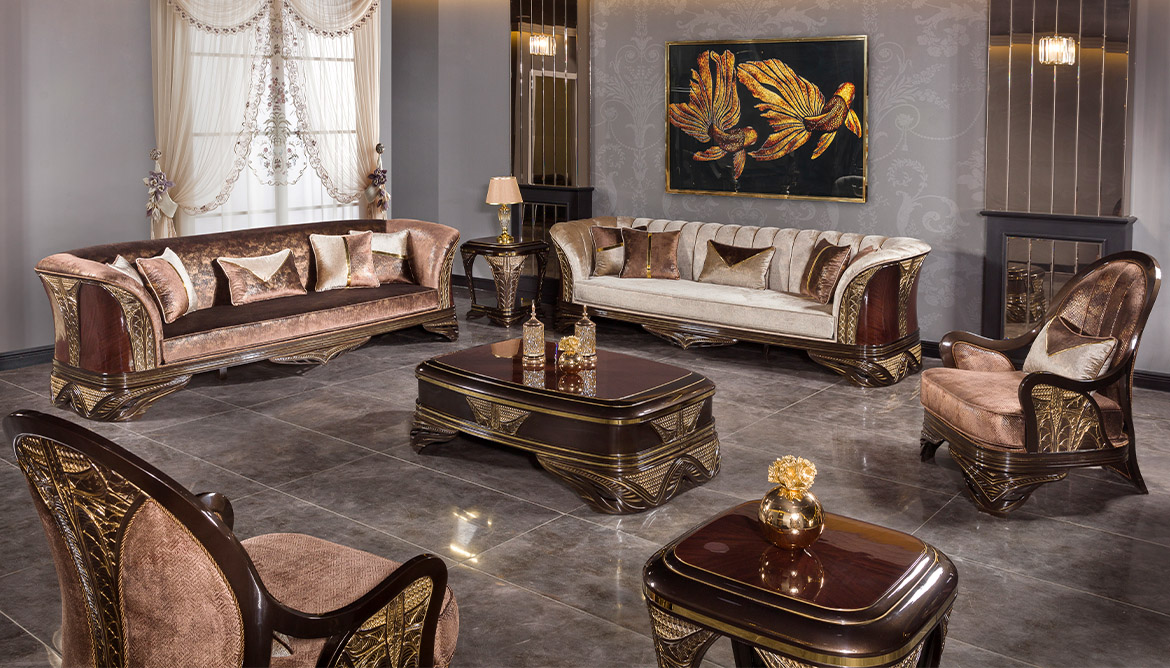
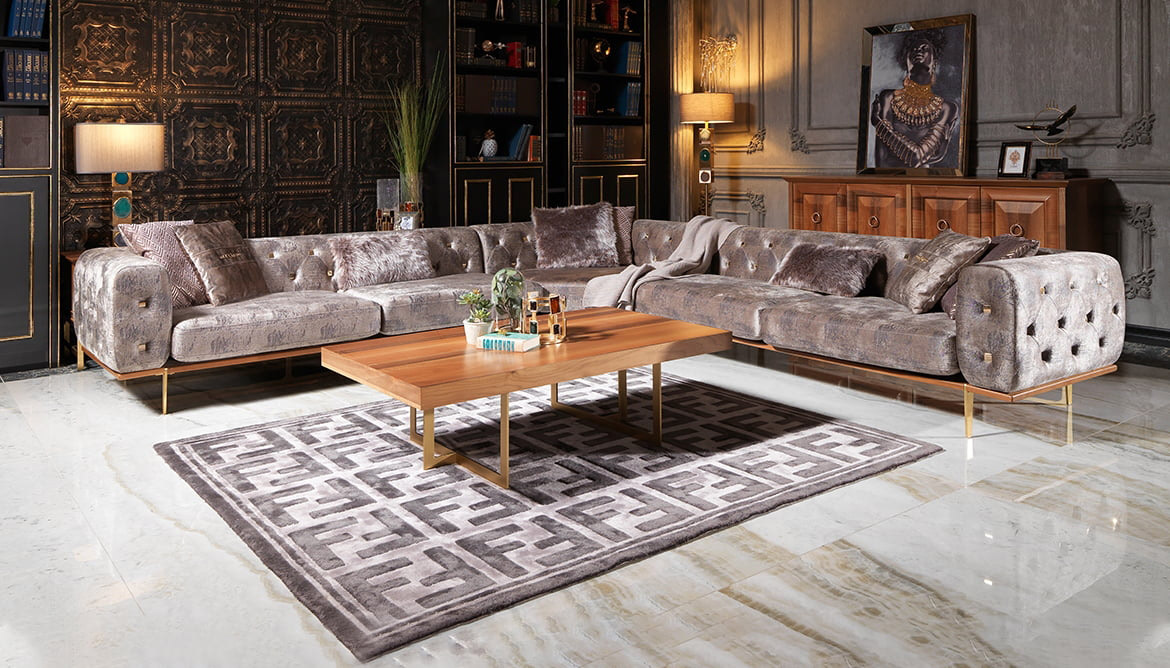
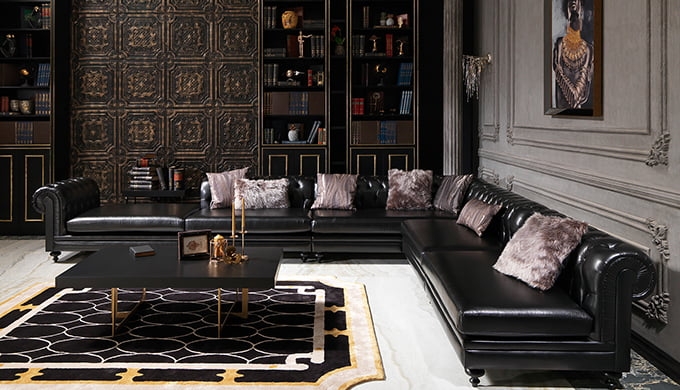
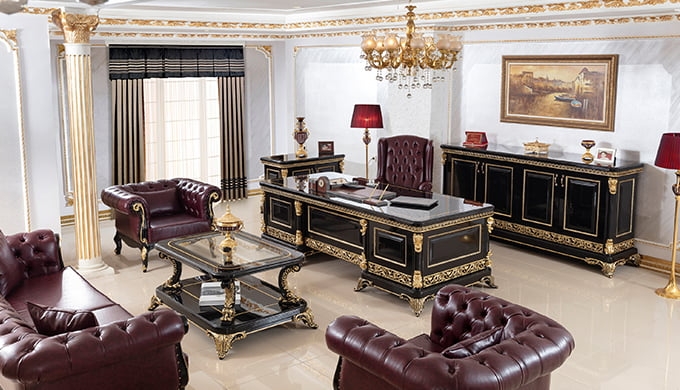
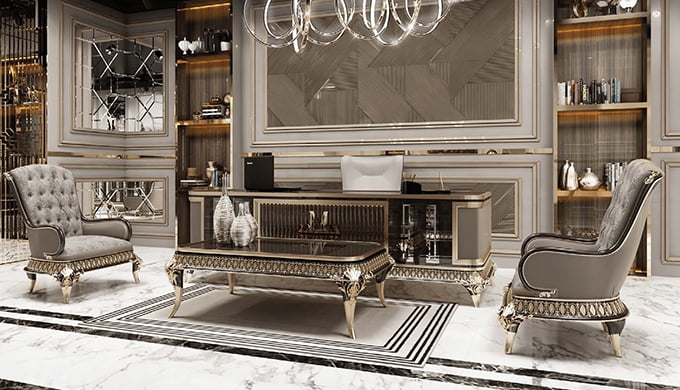
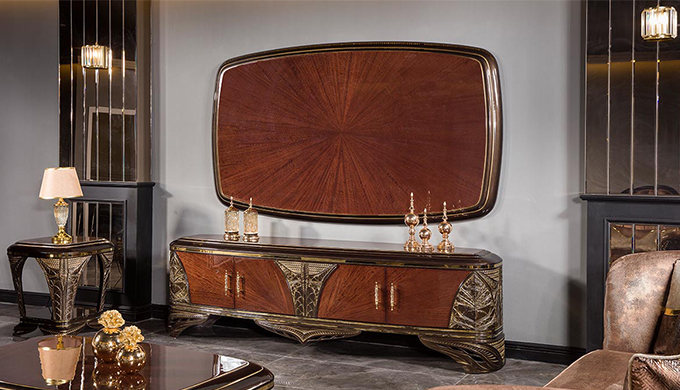
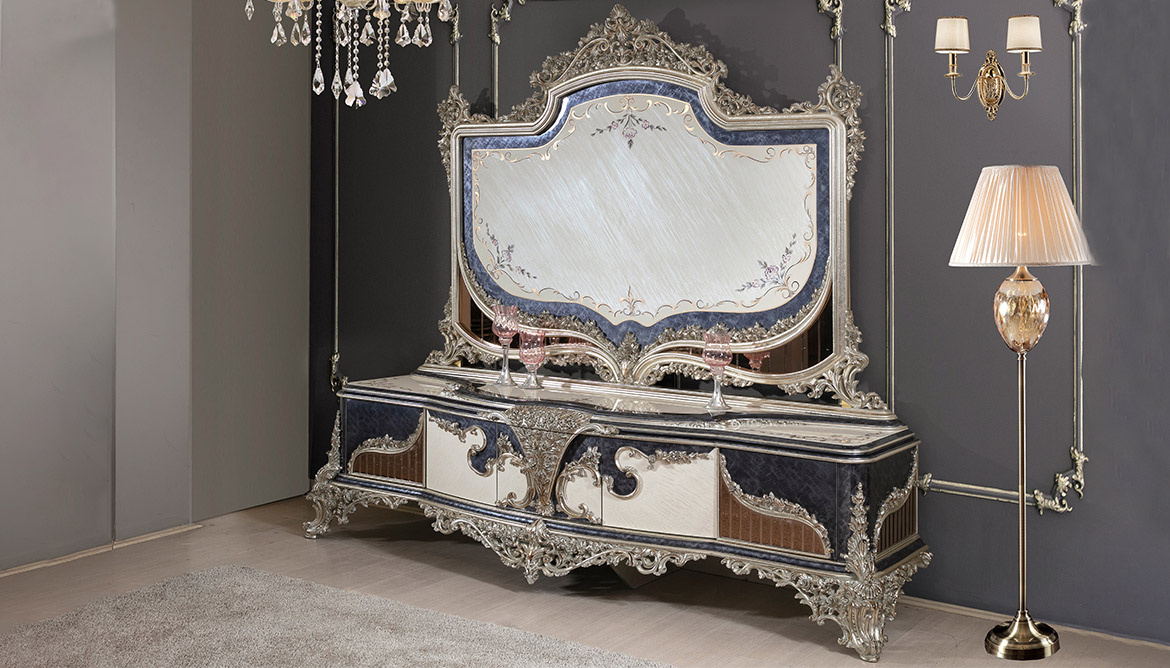
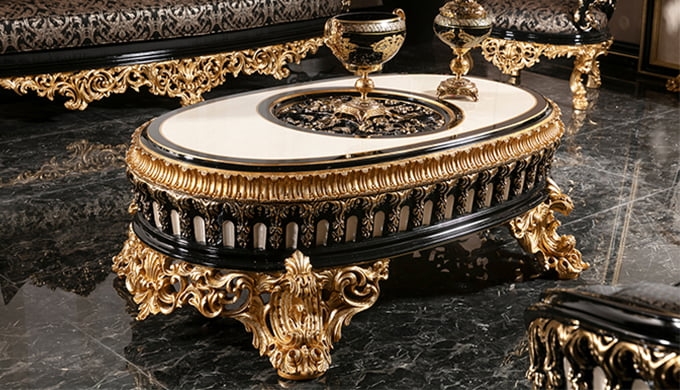
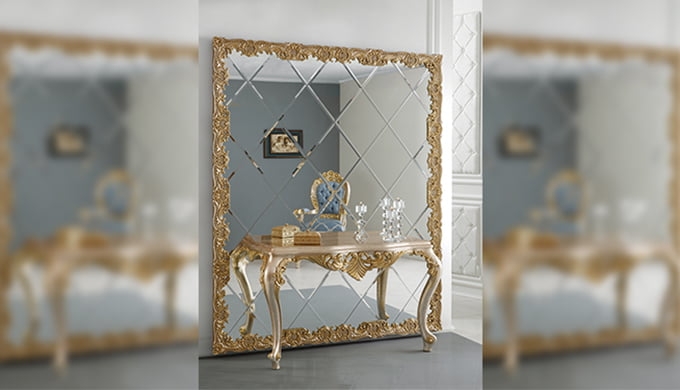
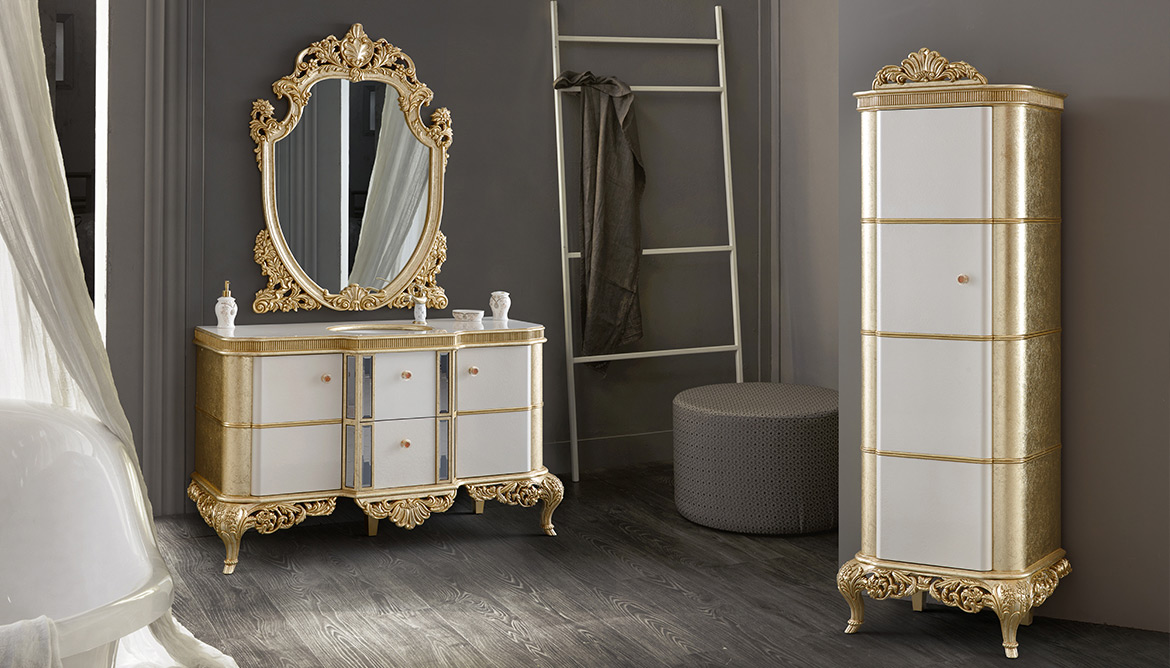
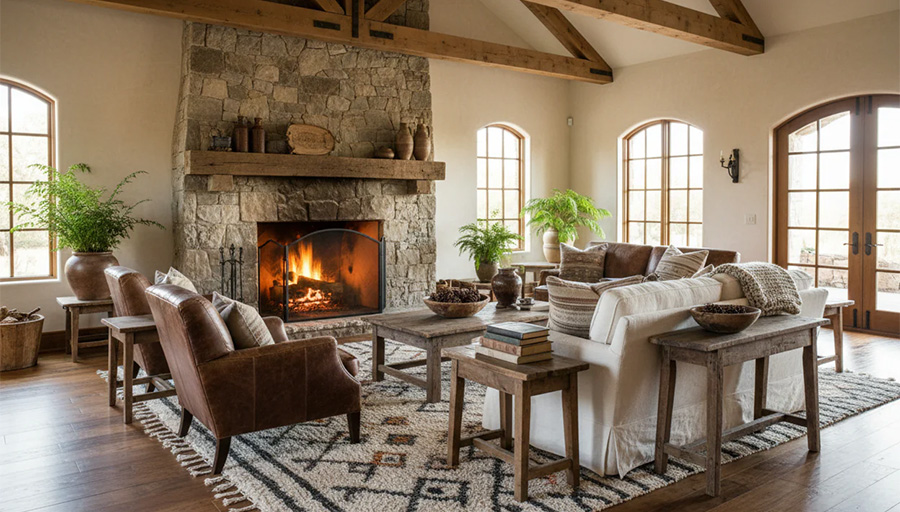
Standardized and constantly repeating modern decoration concepts are increasing the need for personal, unique touches that convey a sense of lived experience in living spaces day by day. On a global scale, interior design trends are shifting not only towards mass-produced pieces but also towards specific designs that have character and defy time. This is exactly where the concept of vintage furniture comes into play. Creating a nostalgic breeze in your home is not just about throwing old items together randomly; this process is the art of blending the qualified craftsmanship and design spirit of the past with today’s comfort requirements. In this comprehensive guide, we examine the fundamentals of the vintage style, its structural differences from other period furniture, and how it can be professionally integrated into your living spaces in full detail.
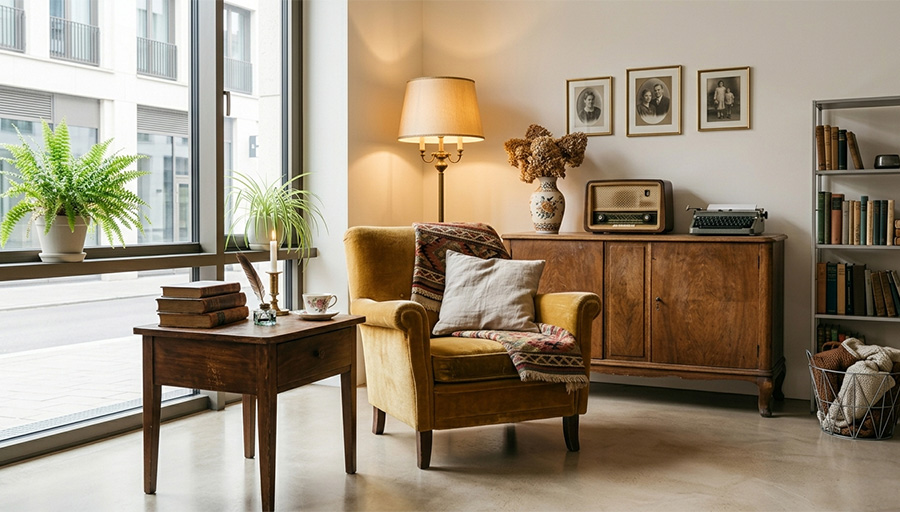
What Are the Differences Between Vintage, Antique, and Retro?
Every piece that looks “old” in furniture shopping or interior space construction should not be evaluated in the same category. In the global market and conscious interior design projects, the correct use of these terminologies allows you to manage your budget correctly while determining the identity of the space.
| Term | Age Range | Core Characteristic | Design and Value Focus |
|---|---|---|---|
| Antique | 100 Years and Over | Rarity, reflection of a historical period, and hand carving. | High collectible value, artistic craftsmanship |
| Vintage | Between 20 – 99 Years | The iconic design language of a certain period (e.g., 1950s, 60s). | Lived experience, functionality, aesthetics suitable for daily use |
| Retro | New Production | Reinterpretation of past period designs with current production technologies. | Nostalgic appearance, modern usage standards. |
The Harmony of Vintage and Modern in Global Interior Design Trends
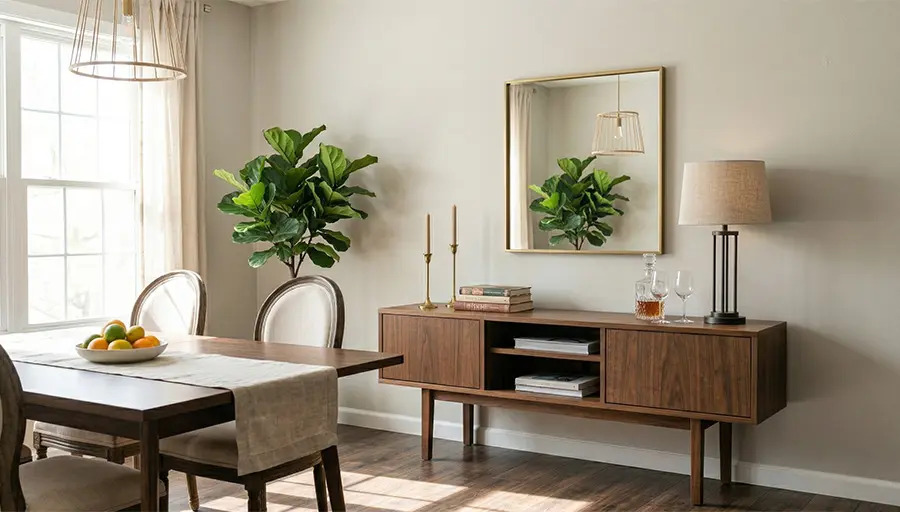
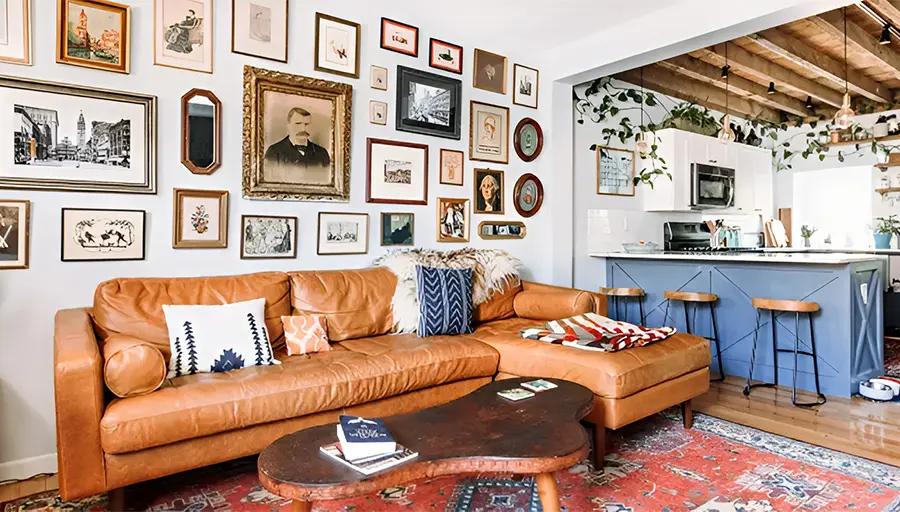
In today’s luxury and avant-garde decoration projects, rather than completely filling the space with pieces belonging to a single period, an “eclectic” design approach is adopted. A well-preserved vintage console or armchair strategically placed within a modern architectural structure breaks the dullness of the space, turning it into a focal point and creating depth. Especially in living spaces appealing to international markets, the combination of Scandinavian minimalism and Mid-Century vintage pieces is frequently encountered.
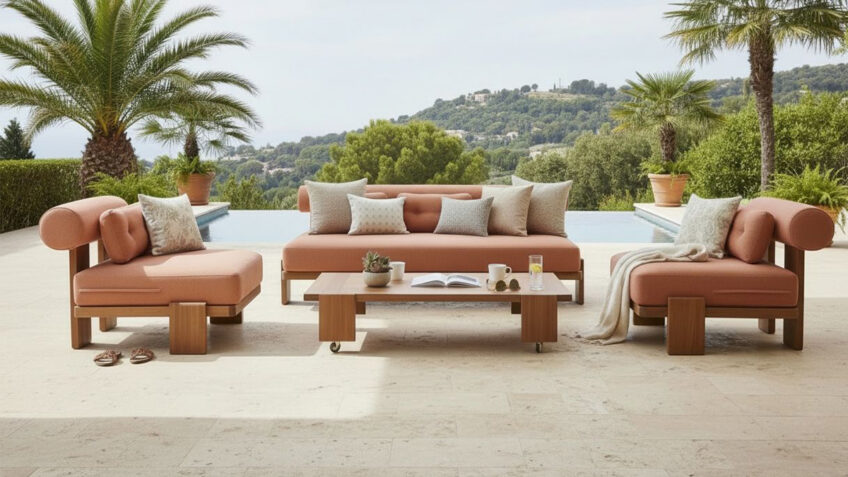
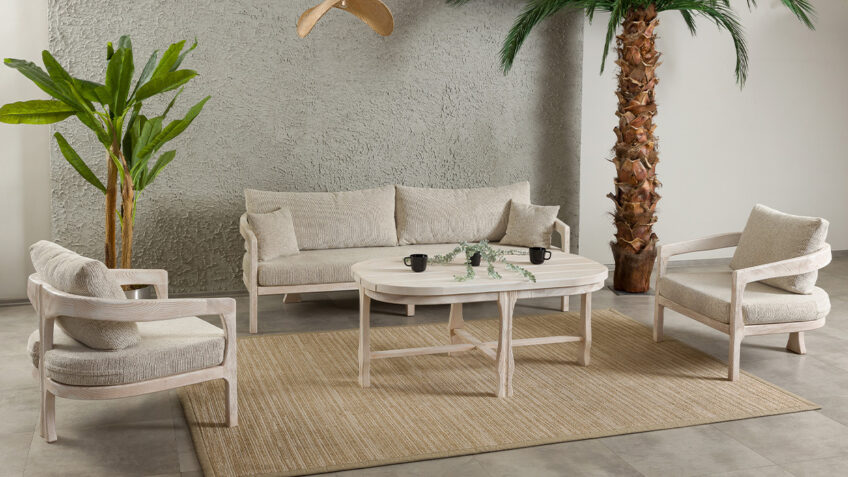
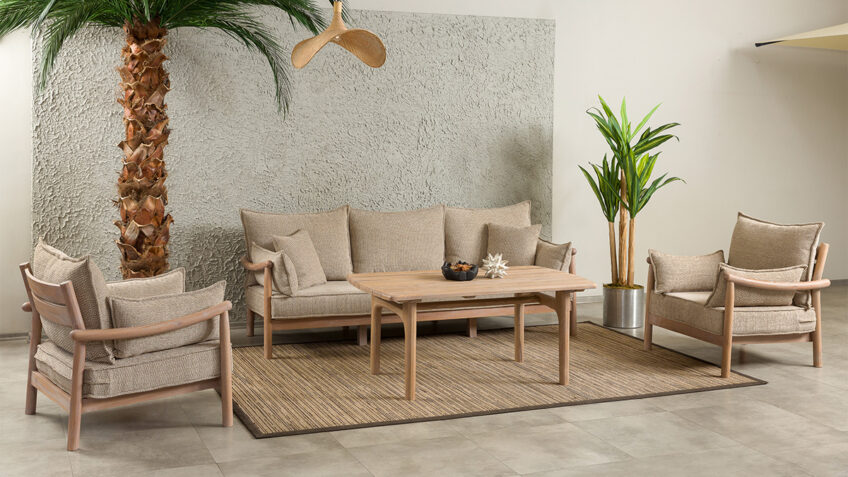
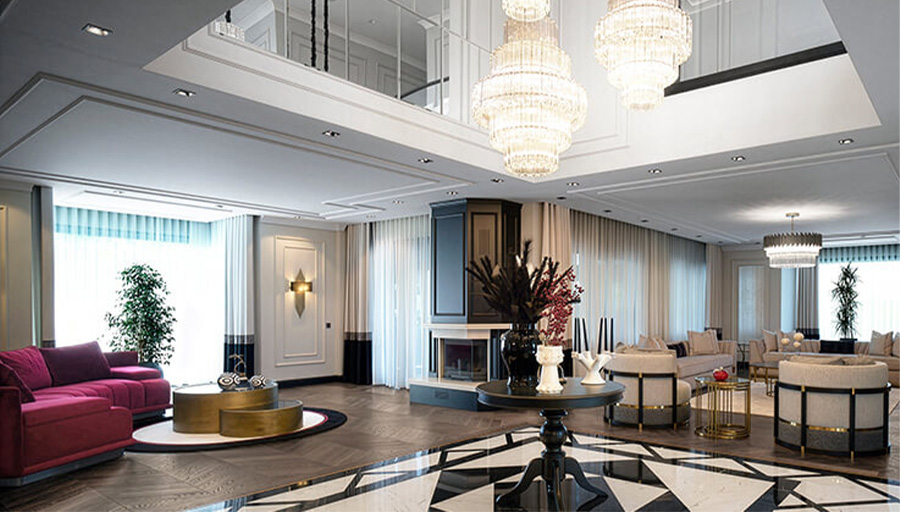
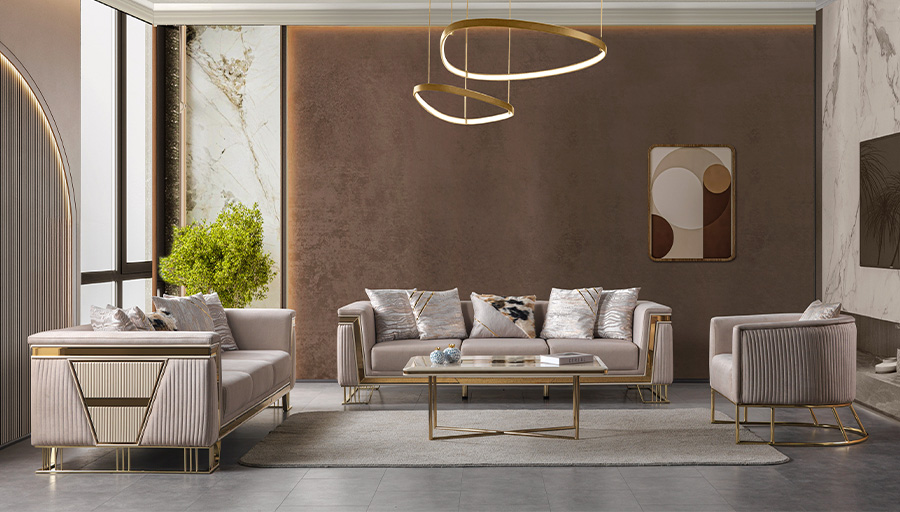
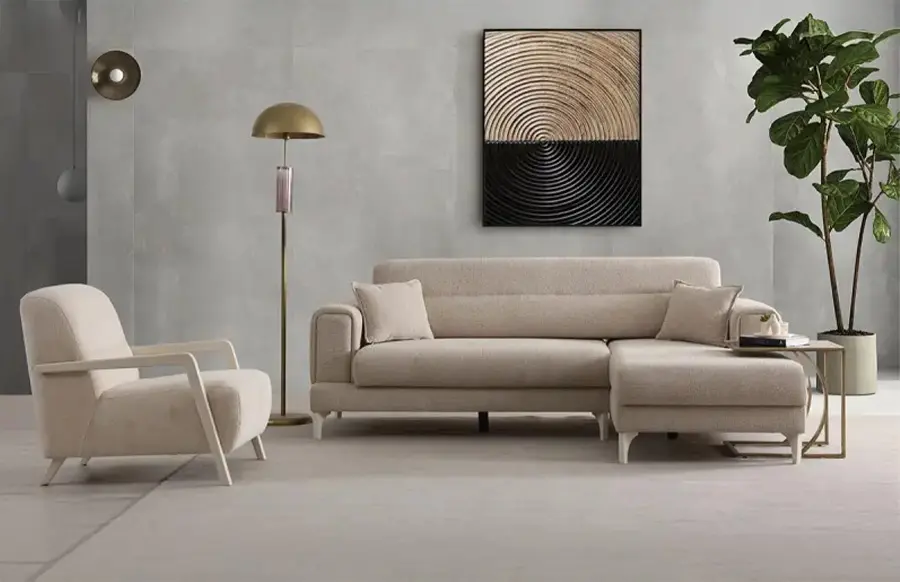
To strike this balance while decorating your home, you can choose your large-volume furniture that forms the main skeleton from modern and functional lines, and turn to the vintage style for complementary and accent pieces. Our comfort-oriented products with clean lines in the Luxury Sofa Sets category will create a solid visual foundation for your nostalgic objects and period furniture.
Steps to Integrate Vintage Style into Your Home Decoration
To prevent the space from looking suffocating, chaotic, or like an antique shop while creating a nostalgic breeze, strategic planning is essential. You can follow these steps to create an interior space construction at professional and global standards:
- Determine the Focal Point: Set the first piece that catches the eye when entering the space as vintage. This could be a carved console made of solid wood or a characteristic leather reading chair from the 1970s.
- Use the Power of Contrast: Create a visual tension by boldly combining the old and the new. You can achieve strong dynamism by placing contemporary designed metal or acrylic chairs around a matte-finished, dark-colored vintage dining table.
- Balance the Color Palette: Nostalgic designs often have saturated and deep colors such as warm wood tones, mustard yellow, olive green, or brick red. Make these furnitures stand out in the space by using neutral colors (off-white, anthracite, beige) on walls, floors, and large textiles.
- Emphasize the Period with Lighting: Reflecting the vintage spirit doesn’t end with furniture; support the atmosphere of the period by softening the diffusion of light into the space with brass-bodied sconces, distressed glass pendants, or lampshades. When you pair such lighting with Classic Sofa Set you can successfully synthesize grandeur and nostalgia.
Which Vintage Pieces Should Be Preferred in Which Room?
The intended use and function of each room are different. Utilizing the spatial impact of vintage furniture in the right areas provides both ease of daily use and preserves aesthetic integrity.
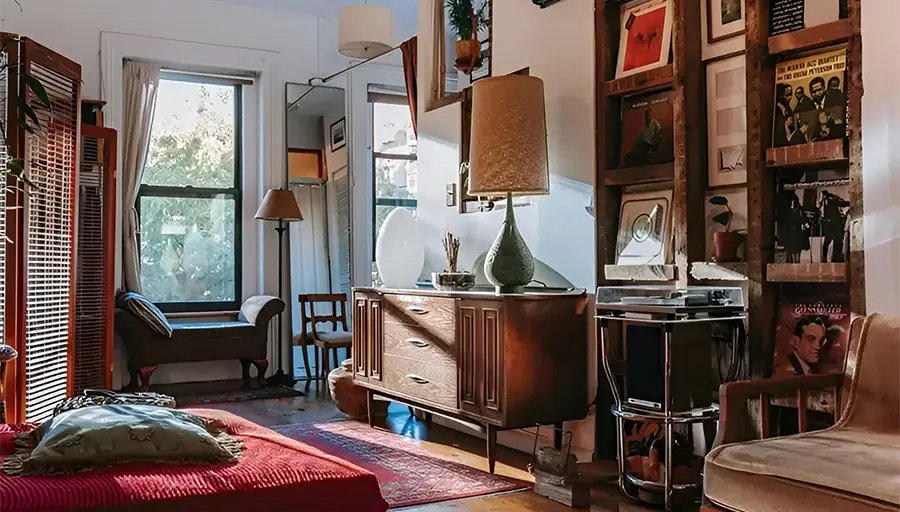
- Living Rooms and Lounges: Iconic walnut veneer TV units, side tables with geometric lines, or massive wooden coffee tables are ideal. Velvet or thick woven tweed fabrics can be preferred for armchairs used as complementary items in seating groups.
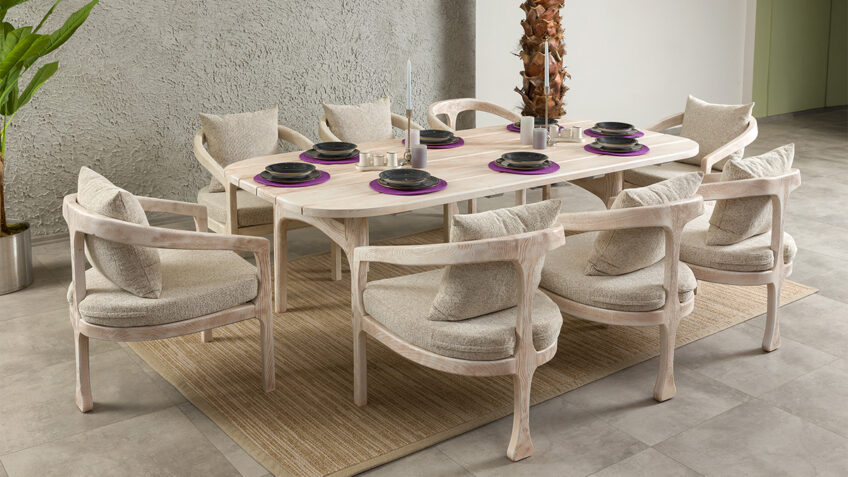
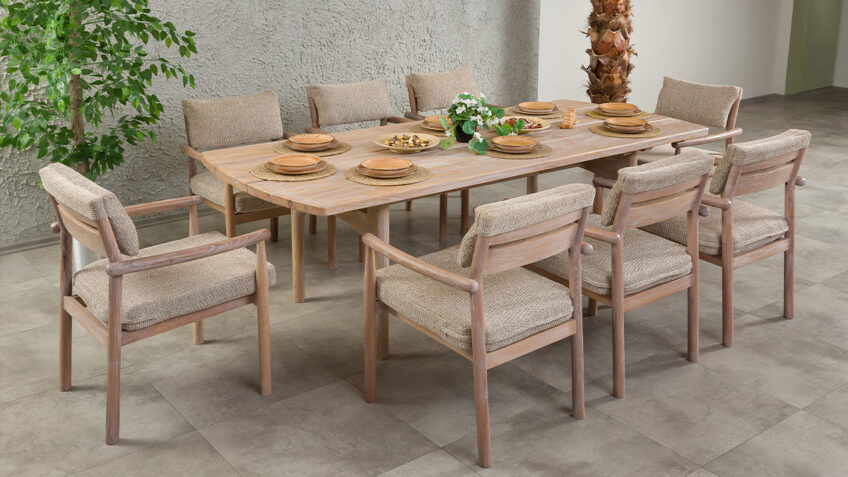
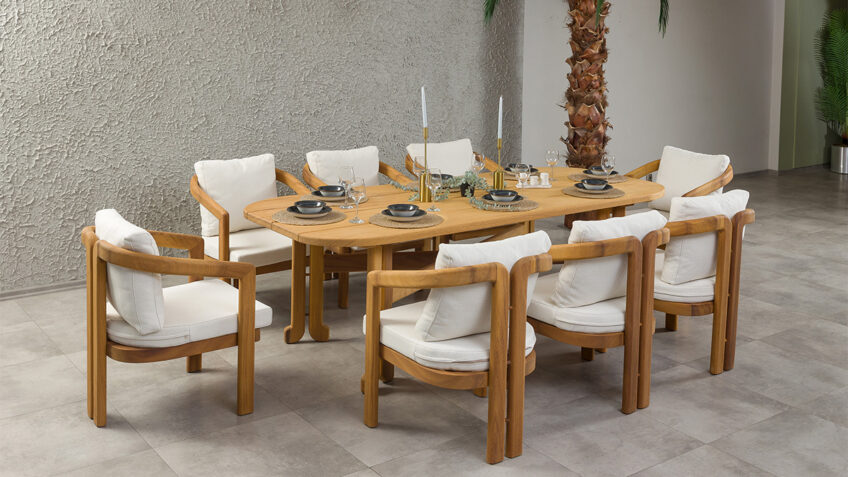
- Dining Rooms: Heavy, wide solid dining tables with turned leg details create a permanent gathering center in your living space. You can use glass-door wooden display cabinets to showcase your dinnerware. You can discover our craft-oriented production approach by reviewing our Classic Dining Room Sets page for alternatives suitable for your current decoration.
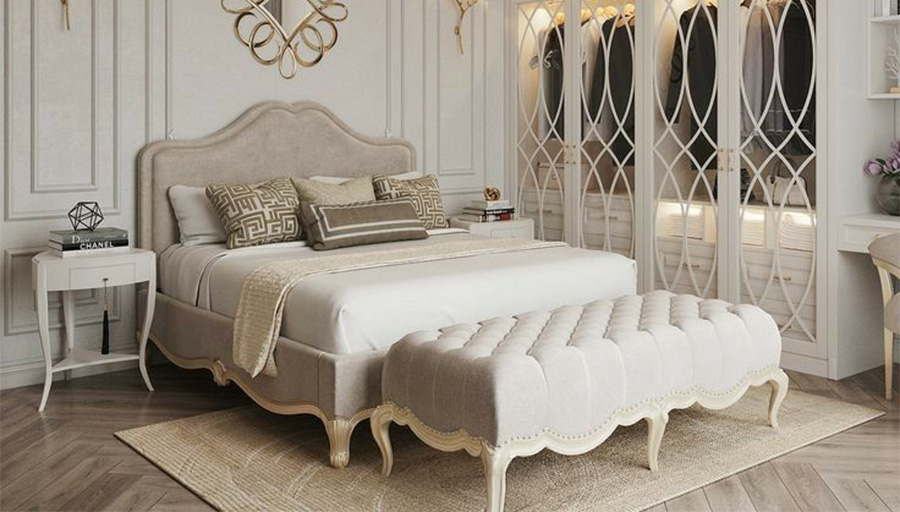
- Bedrooms: Wardrobe doors with wicker (cane) details, carved solid headboards, and nightstands with brass handles add a romantic and serene atmosphere to your sleeping area.
- Entryways and Hallways: In entryways, which are the first areas that reflect the home, a console with a wide-framed distressed mirror serves as both a functional storage space and an effective welcoming unit for your guests.
Criteria to Consider When Choosing Vintage Furniture
Mastering the technical details is of great importance when buying an original vintage piece or searching for a new vintage-inspired design.
Material Quality and Wood Types
The durability of furniture directly depends on the material used. Furniture produced from dense-textured woods such as oak, walnut, mahogany, rosewood, and teak defies years. Solid wood or thick wood veneer should be preferred instead of chipboard or low-density MDF. You can safely choose the most suitable and qualified pieces for your home by examining the high-standard collections offered by our store.
Originality and Craftsmanship Details
The use of traditional wood joinery techniques like the “dovetail” in drawer and door joints is the clearest indicator of craftsmanship quality. Furthermore, natural wear (patina) on the surface forms the identity of the furniture; therefore, artificially deformed, fake-looking imitations should be avoided. You can enrich the style of the vintage furniture you choose with timeless objects in our Luxury Decoration Accessories category.
Care and Preservation of Vintage Furniture
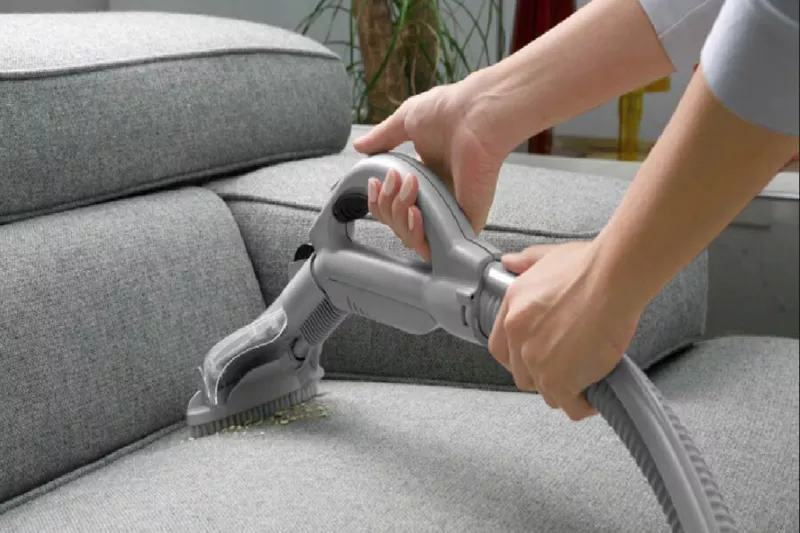
Periodic and proper care is essential for vintage furniture to maintain its quality for generations. Protecting solid wood surfaces from moisture fluctuations and direct scorching sunlight prevents the wood from cracking. Instead of industrial cleaners containing silicone or heavy chemicals, special polishes containing beeswax that nourish the natural texture of the wood should be used. For fabric-covered surfaces, dry cleaning methods suitable for the upholstery’s structure and that do not wear out the fabric should be preferred.
Frequently Asked Questions (FAQ)
1.Is buying vintage furniture a good investment?
Yes. Vintage furniture produced with qualified craftsmanship and featuring sturdy materials like solid wood adds character to your space aesthetically and is a long-term, sustainable investment tool thanks to its durability.
2. What is the main difference between vintage and antique furniture?
Antique furniture is generally 100 years old or more, rare, and pieces with high collectible value. Vintage, on the other hand, is items that have a history between 20 and 99 years and reflect the characteristic design of their own production period.
3.Can we call every old-looking furniture vintage?
No. Furniture that is newly produced today and given an old look with artificial processes is called “retro” or “distressed”. For a piece to be vintage, it must truly have been produced in that specific period in the past.
4. Can vintage be used in a house decorated in a modern style?
Absolutely. The most current trend in global interior design projects is to achieve an eclectic and layered look with a few carefully selected iconic vintage pieces placed predominantly within modern architectural lines.
5. How should vintage wooden furniture be maintained?
Wooden furniture should be kept away from excessive moisture and direct sunlight. Chemicals should be avoided in surface cleaning, and natural beeswax polishes that nourish the wood should be applied periodically to the surface with a soft cloth.