
 English
 Favorites
  Account










A sofa is the heart of the living space. It is where families gather for movie nights, where weary individuals retreat after a long day, and often, the centerpiece of interior design. However, because of this heavy usage, furniture inevitably accumulates dust, allergens, pet dander, and unforeseen spills. Many homeowners mistakenly believe that a professional cleaning service is the only way to restore a sofa’s pristine condition, but with the right knowledge and techniques, achieving a deep clean is entirely manageable at home. This guide provides a comprehensive, expert-level roadmap to maintaining the longevity and aesthetic appeal of your upholstery.
Why Deep Cleaning is Essential for Furniture Longevity
Regular vacuuming is a good maintenance habit, but deep cleaning serves a different purpose. Over time, microscopic particles penetrate the fibers of the fabric, leading to premature wear and tear. Furthermore, organic matter can become a breeding ground for bacteria and odors that standard cleaning cannot reach.
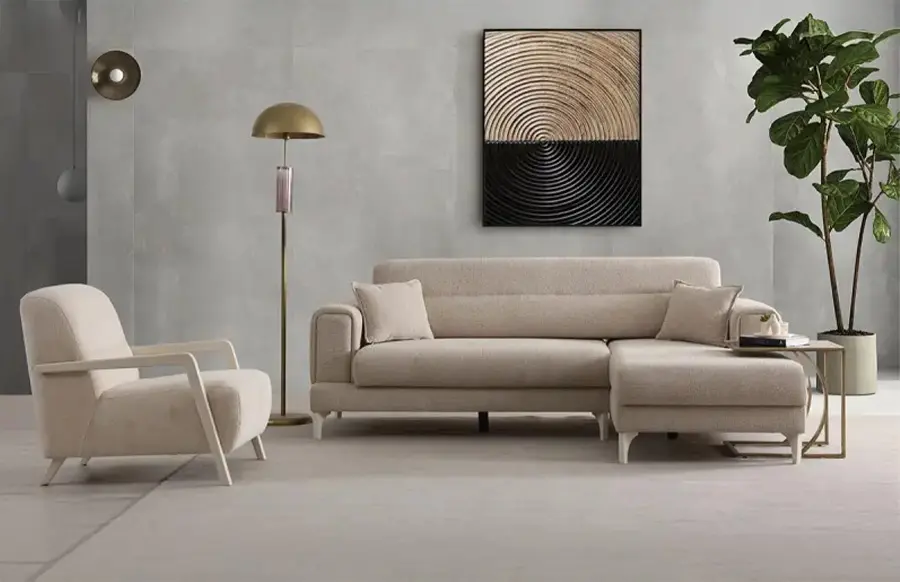
By implementing a deep cleaning strategy every six to twelve months, you protect the internal structure of the sofa. Whether you own high-end pieces or modular designs like our L Shape Sofa, proper maintenance preserves the fabric’s integrity and the cushioning’s resilience. Investing time in these procedures ensures your furniture remains as comfortable and visually stunning as the day it was purchased.
Preparing for the Deep Cleaning Process
Before applying any cleaning agent, preparation is paramount. Rushing into the process without understanding the fabric composition can lead to permanent damage, such as discoloration or shrinkage.
1. Identify the Fabric Code
Always check the manufacturer’s label hidden under the sofa base or cushion covers. These codes are universal:
- W: Water-based cleaning is safe
- S: Solvent-based (dry clean only) required.
- WS: Both water and solvent-based methods are safe.
- X: Vacuuming only; professional cleaning is mandatory.
2. Gather Essential Tools
To perform a professional-grade clean, ensure the following items are prepared:
- High-efficiency vacuum with an upholstery attachment.
- Microfiber cloths.
- Distilled water (to avoid mineral deposits on fabric).
- Mild, pH-neutral detergent.
- Soft-bristled brush.
Detailed Cleaning Methods by Fabric Type
Different materials react uniquely to moisture and chemical agents. Treating a velvet sofa with the same intensity as a heavy-duty synthetic blend is a common error that can ruin the texture.
Natural Fabrics (Cotton, Linen, Wool)
Natural fibers are highly absorbent. The goal here is to avoid over-saturation. Use a slightly dampened cloth with a mild detergent solution, dabbing rather than rubbing to prevent fiber pilling. If you are considering an upgrade to a more durable option, browse our Luxury Sofa Set for fabrics treated for better stain resistance.
Synthetic Fabrics (Polyester, Microfiber, Nylon)
Synthetics are generally more resilient. For these materials, you can often use a mixture of distilled water and a small amount of mild soap. Always test a hidden area first. Once cleaned, use a clean, dry cloth to absorb excess moisture quickly.
Leather and Faux Leather
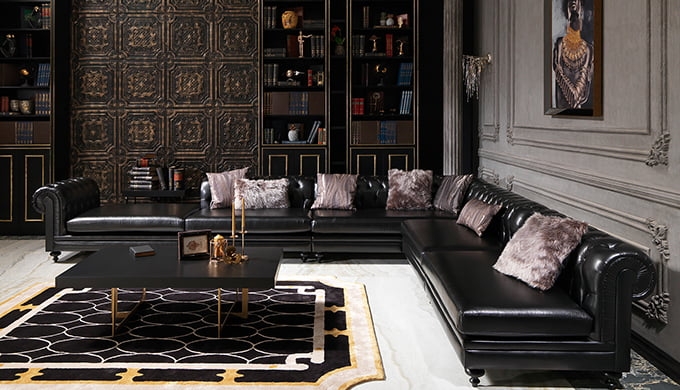
Leather requires specialized care. Avoid water-based cleaners entirely as they can dry out the natural oils. Use a dedicated leather conditioner every six months to keep the material supple and prevent cracking.
Comparison Guide: Cleaning Agents and Suitability
| Fabric Type | Primary Cleaning Agent | Frequency (Deep Clean) | Best Practice |
|---|---|---|---|
| Cotton/Linen | Distilled Water/Mild Soap | Every 6 Months | Avoid over-saturation |
| Synthetic Blend | Mild Detergent Solution | Every 6 Months | Use soft-bristle brush |
| Velvet | Specialized Dry Foam | Annual | Brush in direction of nap |
| Leather | Leather Cleaner/Conditioner | Every 6-12 Months | Buff with soft cloth |
Step-by-Step Execution for a Deep Clean
Follow these steps to ensure a methodical approach:
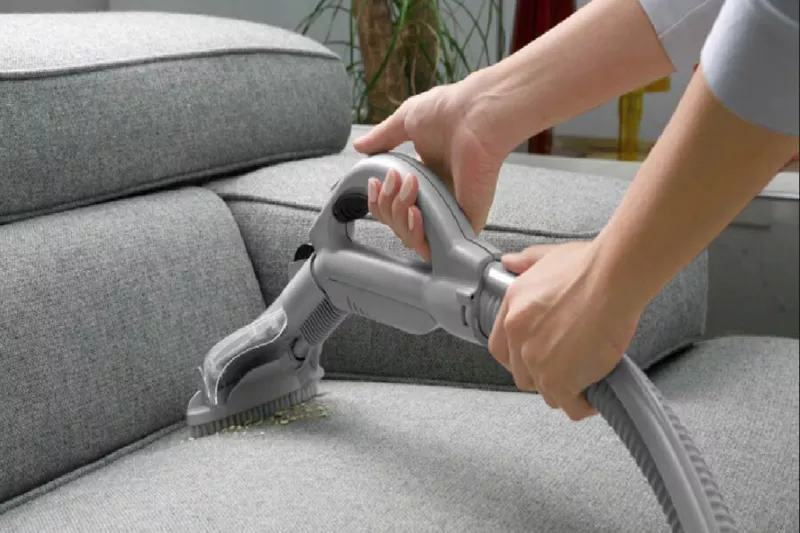
- Clear and Vacuum: Remove all loose cushions and vacuum the entire frame, reaching deep into the crevices where debris settles.
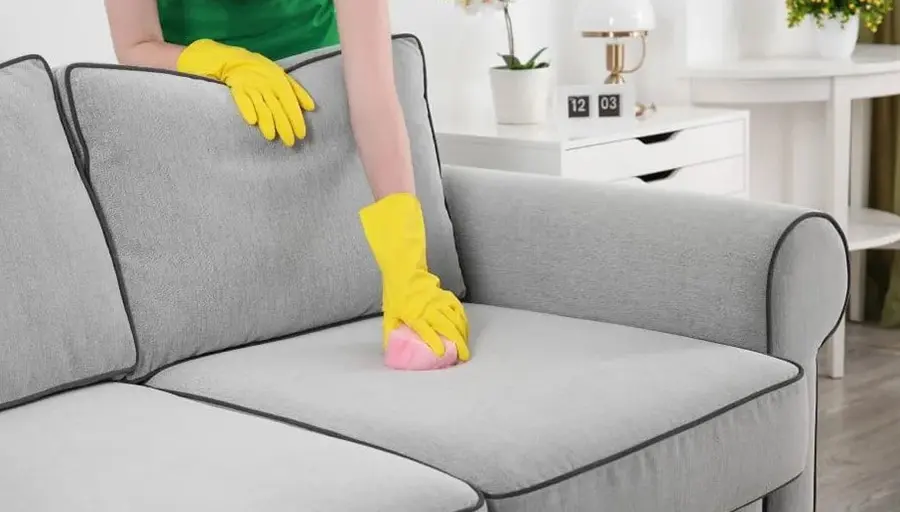
- Pre-treat Stains: Apply your chosen cleaning solution specifically to spots, allowing it to sit for a few minutes without drying completely.
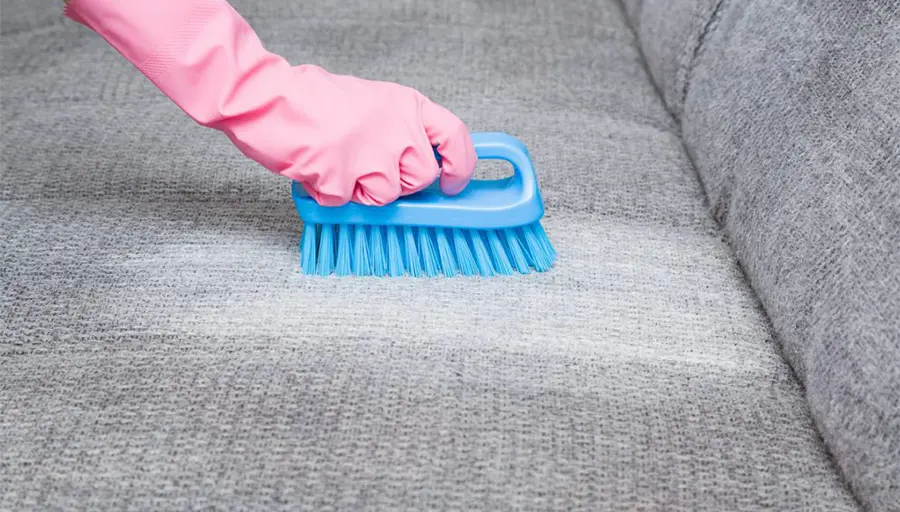
- Gentle Agitation: Using a soft-bristled brush, work the solution into the fabric in a circular motion, being careful not to fray the fibers.
- Blotting: Use a clean, dry microfiber cloth to blot the area, drawing out the dirt and moisture.
- Drying: Allow the sofa to air dry completely. Ensure good ventilation in the room.
Important Maintenance Tips
Maintaining the look of your sofa goes beyond cleaning. Avoid placing furniture in direct, harsh sunlight, as UV rays can cause significant color fading over time. Additionally, if you have pets, consider using protective throws that can be machine-washed, minimizing the need for frequent deep cleaning on the primary upholstery.
Frequently Asked Questions (FAQ)
1.How often should I deep clean my sofa?
Generally, a thorough deep clean should be performed every 6 to 12 months, depending on usage and household conditions like pets or children.
2. Can I use a steam cleaner on my sofa?
Only if the fabric code explicitly allows for water-based cleaning (W or WS). Even then, use a low-heat setting to avoid damaging the fibers.
3.How do I remove bad odors from my sofa?
Sprinkling baking soda over the fabric, letting it sit for 30 minutes, and vacuuming it off is an effective, natural way to neutralize odors.
4.What should I do if I spill red wine on my sofa?
Immediately blot the spill with a dry, clean cloth to absorb excess liquid. Do not rub, as this pushes the stain deeper. Use a specialized stain remover suited for your fabric type.
5. Is it better to hire a professional?
For delicate materials like silk or antique pieces, or if the fabric code is ‘X’, professional cleaning is highly recommended to avoid permanent damage.